



There was a specific Tuesday in early 2025 that I still think about.
I had two stores running at the same time — a home decor store doing decent volume and a newer pet accessories store I was trying to get off the ground. I sat down at 8am to work and by noon I’d written four product descriptions, answered eleven customer emails, updated three inventory counts manually, and done absolutely nothing that actually moved the needle on sales. Four hours gone. Four product descriptions. I had 340 products in the pet store that needed copy.
I remember just sitting there thinking: there has to be a better way to do this. Because this isn’t running a business. This is just treading water.
That afternoon I started going deep on AI tools for ecommerce. I tested everything I could find over the following few weeks — some of it was genuinely useful, some was pure hype, and some surprised me completely. But by the time I came out the other side, my workflow looked nothing like it did before. I was writing product descriptions in bulk. Customer emails were getting answered in under five minutes around the clock. My abandoned cart recovery improved noticeably. And I was actually spending time on strategy instead of copy-pasting order numbers into reply emails.
Here’s the thing about AI for Shopify stores in 2026: the tools have matured. This isn’t the janky early ChatGPT era where you had to wrestle with every prompt and hope for a usable output. The ecommerce AI tools available right now are purpose-built for real store workflows, they’re affordable at basically any store size, and some of the most useful ones are completely free to start.
The pain points I had back on that Tuesday — content volume, customer service time, inventory management, SEO that nobody had time to do — all of them have solid AI solutions right now. And I’ve personally tested every tool in this guide in actual live store contexts. Not demos. Real stores, real workflows, real results.
Whether you’re running a dropshipping operation, a branded Shopify store, or trying to figure out how to launch your first store without burning out on manual work, this guide covers what’s actually worth your time in 2026. Let’s get into it.
Quick Comparison Table (Best AI Tools for Shopify 2026)
| Tool | Best For | Price | Free Tier? | Shopify Native? |
| Shopify Sidekick / Magic | Native AI — descriptions, store chat | Included with plans | Yes | Yes |
| ChatGPT + Custom GPTs | Bulk content, intake automation | Free / $20/mo | Yes | Via Zapier |
| Claude AI | Long copy, policy pages, tone | Free / $20/mo | Yes | Via Zapier |
| Perplexity AI | Product/niche research | Free / $20/mo | Yes | Manual |
| Jasper / Anyword | Conversion-focused product copy | $39–$99/mo | Trial only | Via export |
| Gorgias AI | Customer service automation | $10–$60+/mo | No | Yes |
| Replo / PageFly | AI landing pages | $0–$99/mo | Limited | Yes |
| Inventory Planner / Cogsy | Demand forecasting, reorder alerts | $20–$99/mo | Trials | Yes |
| Klaviyo AI | Email and SMS automation | Free up to 250 contacts | Yes | Yes |
| Smart SEO / Surfer | Product SEO, meta tags, blog | Free–$99/mo | Yes | App Store |
Detailed Breakdown of Each Tool
Shopify Sidekick and Shopify Magic
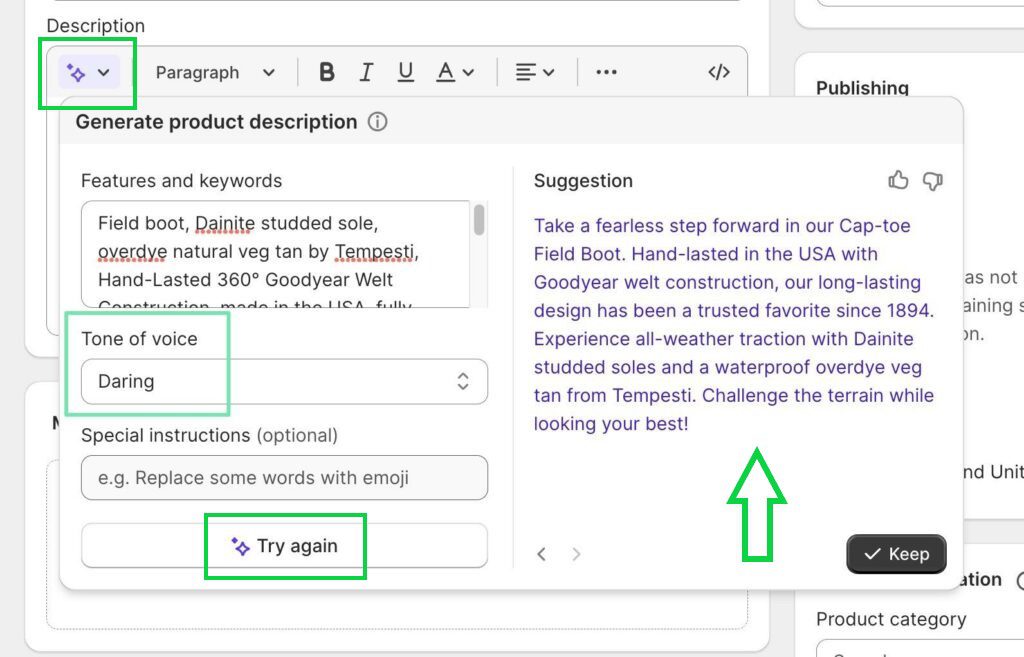
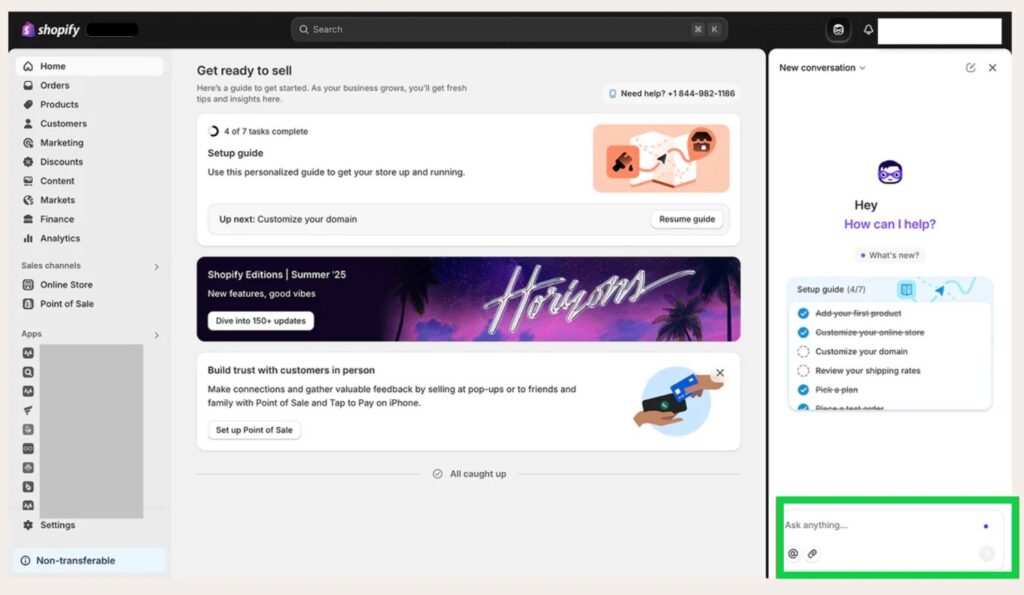
Shopify artificial intelligence built directly into the admin dashboard — that’s what Sidekick and Magic are. Magic handles content generation: product descriptions from your title and attributes, email subject lines, blog drafts. Sidekick is the conversational assistant that knows your actual store data — you can ask it things like “what were my best-selling products last month” or “create a 20% discount code for returning customers” and it just does it.
No integration headaches. No learning curve around connecting to your store. It already knows your inventory, orders, and customer history.
Best Shopify Use Cases:
- First-draft product descriptions at scale
- Quick store management queries via chat
- AI background removal on product photos
- Basic automation setup guidance
- Email campaign subject line suggestions
I Personally Tested:
The pet accessories store I mentioned had 340 products waiting for copy. I used Shopify Magic systematically — product title, three to five key attributes, target customer — and got first drafts for all 340 in about two days. Roughly 70% were usable with light editing. The other 30% needed more work, usually because my input data was thin. When I gave Magic detailed input, the output was solid. When I was lazy with the brief, the output was generic. Fair enough, honestly.
Sidekick I now use almost every day for quick operational questions. It beats digging through reports manually.
| Pros | Cons |
| 100% native — zero setup required | Descriptions need good input to avoid generic output |
| Sidekick saves real time on store management | Not as powerful as dedicated copywriting tools |
| Free with every Shopify plan | Limited customer service automation compared to Gorgias |
| Improving with every Shopify update | No standalone email marketing automation |
Pricing: Included with all Shopify plans. No additional cost.
ChatGPT + Custom GPTs
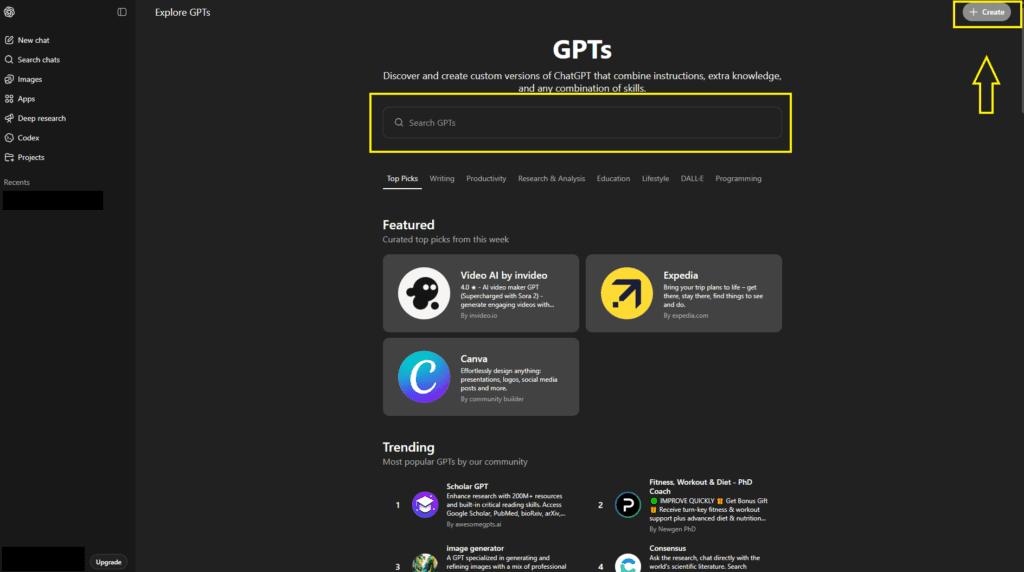
The most flexible tool in my entire Shopify stack. What makes ChatGPT genuinely powerful for store owners isn’t the base model — it’s the custom GPT feature. You configure a GPT specifically for your store: brand voice, target audience, product category conventions, SEO keywords to incorporate, preferred description structure. Do it once, and every future content request runs through that configuration automatically. This is one of the best AI tools for Shopify for anyone managing a large catalog.
Best Shopify Use Cases:
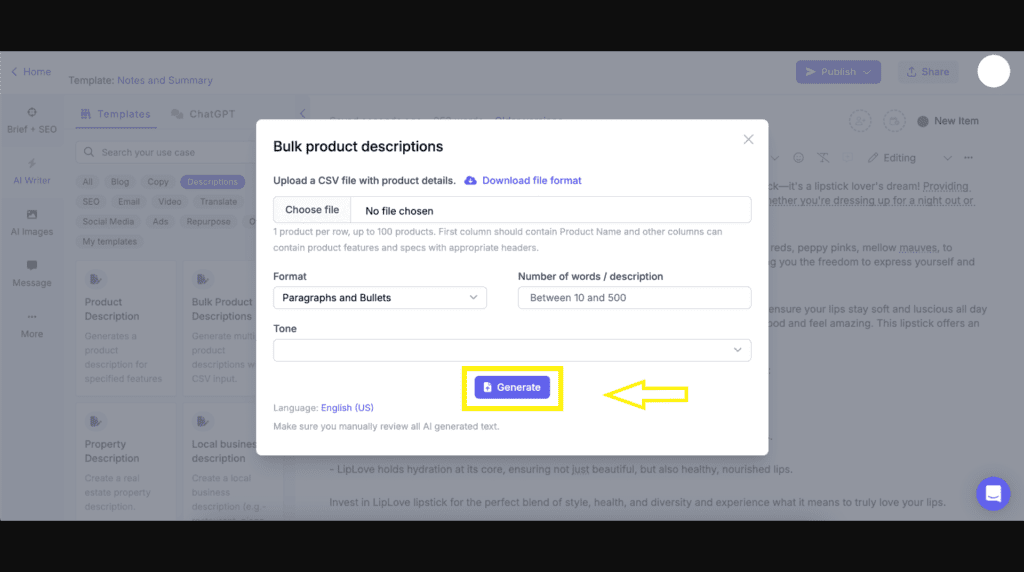
- Bulk product descriptions with consistent brand voice
- Custom GPT for client intake — wrong industry, but the concept translates to customer FAQ automation
- Ad copy for Facebook, TikTok, and Google
- Policy pages, About Us, FAQ content drafting
- Email templates for common customer scenarios
I Personally Tested:
I set up a custom GPT for a kitchen accessories store with detailed brand configuration — voice, customer persona, product format, SEO keywords by category. Then I dropped 50 product titles and specs into a single prompt. Consistent tone across every description, keywords naturally placed, right length, benefit-focused over feature-focused. Compare that to re-explaining the brand every single time in a standard ChatGPT session — the custom GPT approach is a genuine multiplier.
This is hands-down one of the best AI tools for dropshipping when you’re dealing with large imported catalogs that need original copy fast.
| Pros | Cons |
| Custom GPTs eliminate repetitive brand setup | Not directly integrated — needs copy/paste or API |
| Extremely flexible for any store task | Hallucinations on specific product specs are a real risk |
| Free tier is genuinely useful for basic work | Requires good prompting to get quality output |
| Wide automation potential via Zapier | Data privacy concern with sensitive customer info |
Pricing: Free. ChatGPT Plus at $20/month for GPT-4o and custom GPTs.
Claude AI
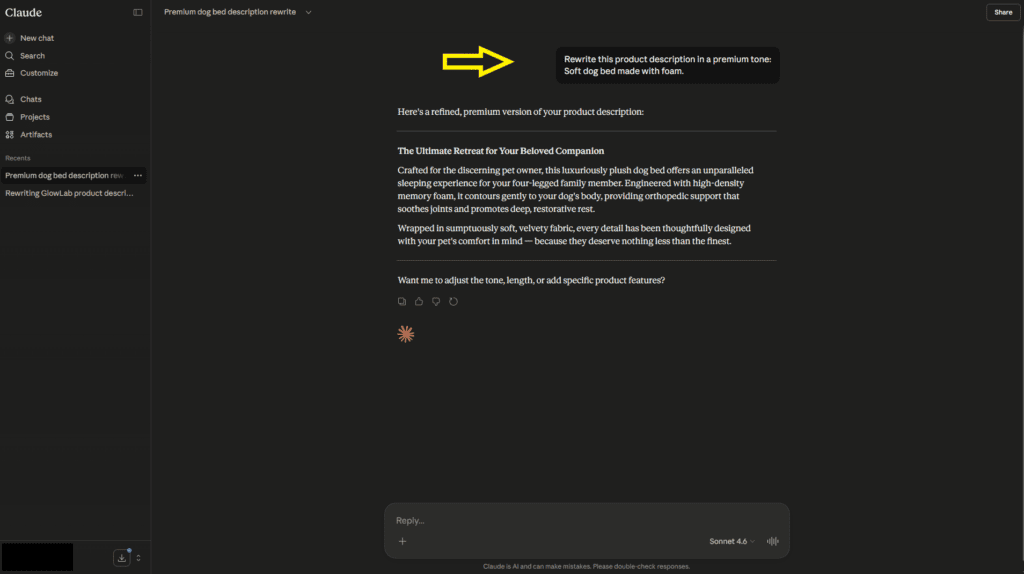
Where ChatGPT wins on volume and flexibility, Claude wins on quality and nuance. For Shopify specifically, I use Claude when the content really matters — hero product pages, brand story, detailed policy drafts, anything where the copy needs to sound genuinely human and not like it came from a template. The long context window means I can paste an entire product section and ask for a full rewrite in a consistent voice.
Best Shopify Use Cases:
- Hero product descriptions for high-margin items
- Brand story and About Us pages that actually connect
- Returns and shipping policy drafts
- Technical product copy where accuracy is important
- Responding to complex or sensitive customer situations
I Personally Tested:
A skincare store I work with had product descriptions that were technically accurate but flat. No personality, no conversion energy. I pasted all 28 into Claude Pro with a detailed brief about the brand and target customer, and asked for rewrites focused on benefits and sensory language rather than ingredient lists. The output was noticeably better — more readable, more persuasive, more on-brand. Conversion rate on those pages improved about 12% the following month.
Claude is also my go-to for drafting responses to difficult customer situations — the nuanced complaint where a generic AI response would make things worse. For more budget-friendly tools to build out your stack, check out the 10 Best Free AI Tools 2026 for USA Small Businesses.
| Pros | Cons |
| Most natural-sounding output of any general AI | No direct Shopify integration |
| Handles full catalogs in one prompt | Manual copy/paste workflow |
| Excellent for tone-sensitive content | Free tier has daily usage limits |
| Very low hallucination on reasoning tasks | Doesn’t pull live product data from your store |
Pricing: Free tier available. Claude Pro at $20/month.
Perplexity AI
Not a content tool. Not a store management tool. A research tool — and an excellent one. For Shopify store owners, good research is the difference between launching a product with a clear competitive angle and launching something that gets lost. Perplexity gives you real-time, sourced answers with links to primary sources. I use it constantly for product category research, competitor positioning, and trend identification before adding new products.
Best Shopify Use Cases:
- Niche and trend research before adding products
- Competitor product positioning and pricing analysis
- Tracking regulatory changes affecting your product category
- Supplier and manufacturer background research
- Understanding customer complaints in a new category before you enter it
I Personally Tested:
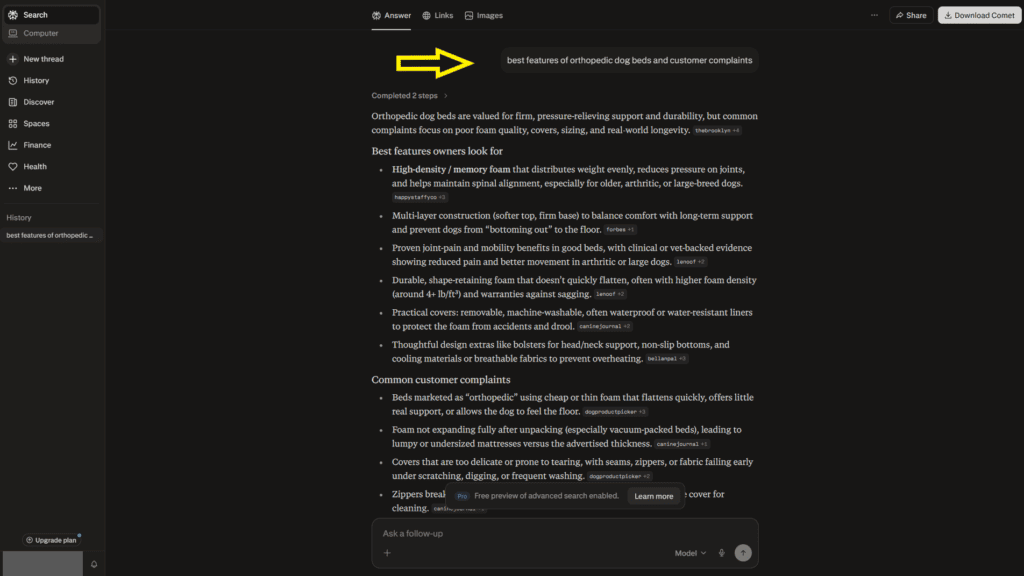
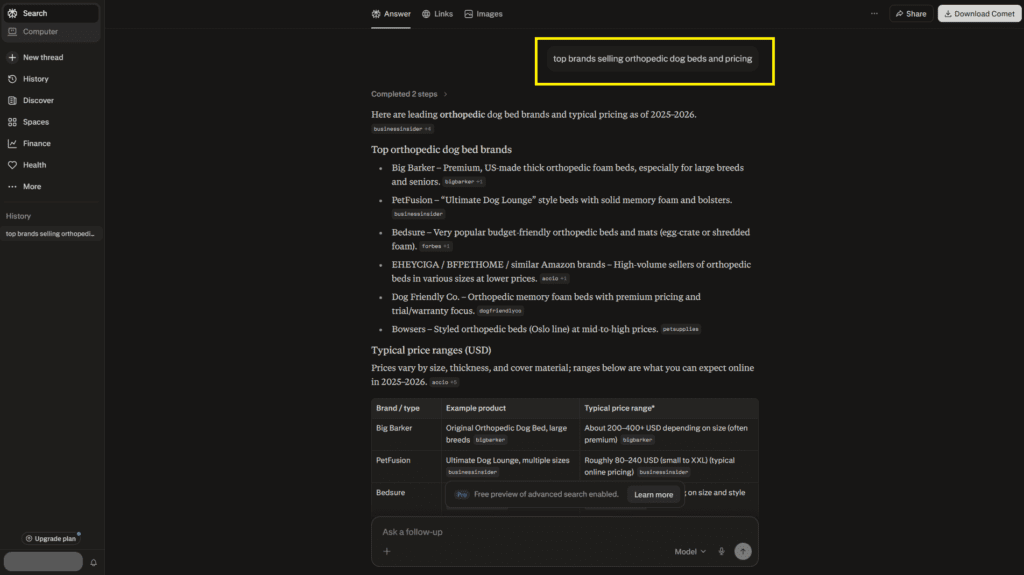
Before expanding a pet accessories store into orthopedic dog beds, I needed to understand the category fast. What features customers actually cared about, what the common complaints were about existing products, which materials were getting positive reviews. Perplexity assembled a sourced, organized briefing in about 15 minutes. That would have been 2 hours on Google. The research directly shaped the product selection and the positioning angle I used in the descriptions.
| Pros | Cons |
| Real-time research with cited sources | Not a store management or content creation tool |
| Fast at producing organized category briefings | Doesn’t integrate with Shopify |
| Free tier handles most research needs | Pro needed for deeper research features |
| Excellent for pre-launch product research | Not useful for day-to-day operational tasks |
Pricing: Free. Perplexity Pro at $20/month.
Jasper and Anyword for Product Descriptions
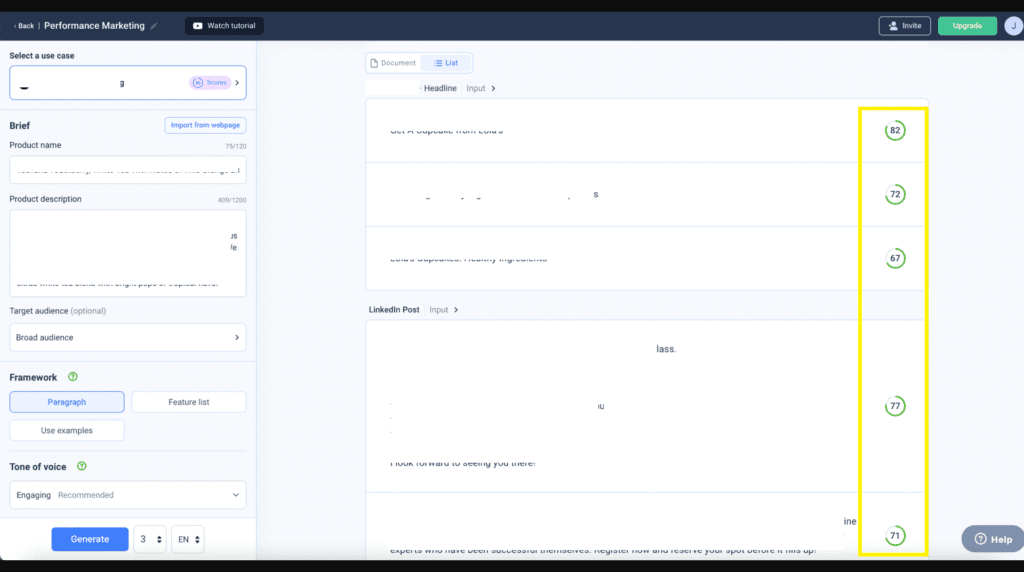
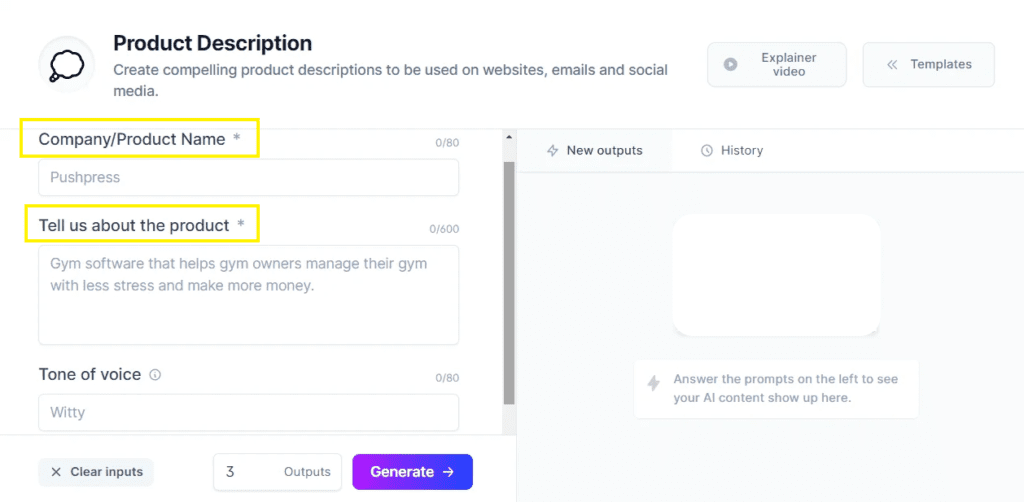
If you’re running significant paid traffic and need conversion-optimized copy at volume, these two are worth knowing. Both are purpose-built marketing copy tools with ecommerce templates. Anyword’s distinguishing feature is a performance prediction score — it predicts how likely a piece of copy is to convert before you publish. For paid traffic where copy quality directly impacts ROAS, that’s useful data. This is the serious answer to the question of what are the best AI tools for automating Shopify product descriptions at scale.
Best Shopify Use Cases:
- High-volume product description generation for large SKU catalogs
- Performance-predicted copy for paid ad campaigns
- A/B testing multiple copy angles efficiently
- Collection and category page descriptions
- Facebook, Google, and TikTok ad copy variants
I Personally Tested:
I ran the same 20 products through Jasper, Anyword, and ChatGPT with identical prompts on a fashion accessories store. Anyword scored highest on its own performance predictor. More importantly, when I ran the three versions as traffic tests, Anyword’s copy performed best — not dramatically, but consistently. Jasper’s output was polished but a bit generic. For stores doing serious ad spend where copy quality has a direct dollar value, the monthly subscription is defensible math.
| Pros | Cons |
| Purpose-built for conversion-focused marketing copy | More expensive than general AI tools |
| Anyword’s performance scoring adds real value | Not natively integrated — export workflow needed |
| Good brand voice training features | Overkill for small stores with limited SKUs |
| Faster than general tools for ecommerce copy | Free trials are limited before hitting paywall |
Pricing: Jasper from $39/month. Anyword from $39/month. Both offer limited free trials.
🔗 jasper.ai | anyword.com
Gorgias AI for Customer Service
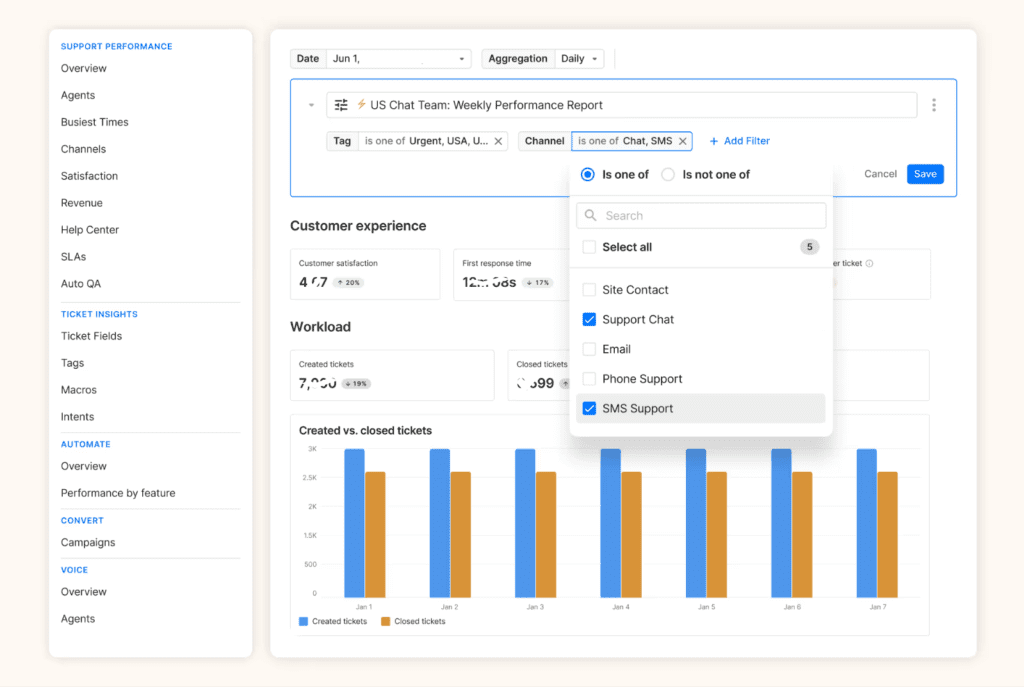
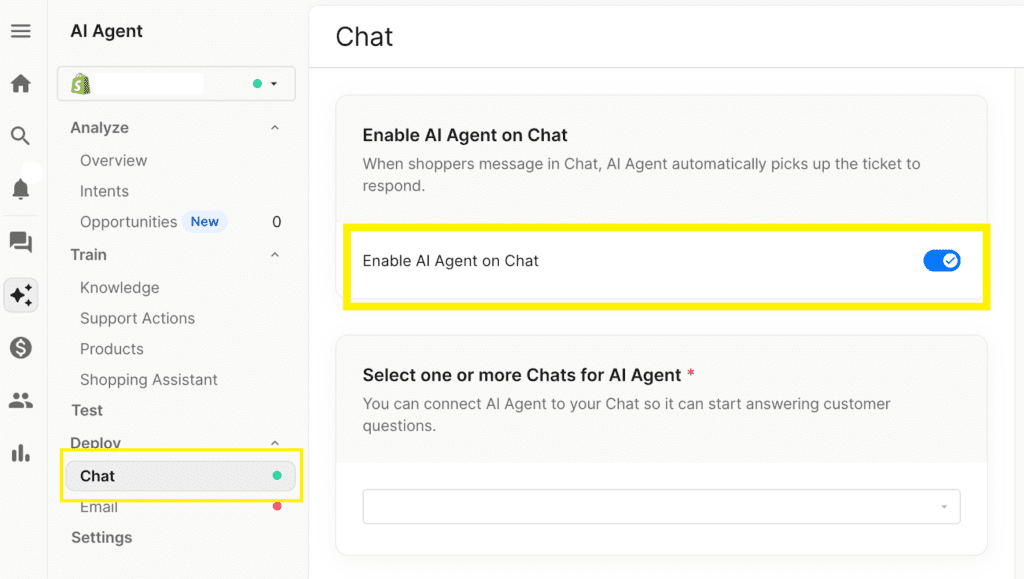
Here’s the honest answer to how AI can improve your Shopify store’s customer service experience: Gorgias. It’s the shopify ai chatbot and helpdesk platform with the deepest Shopify integration on the market. In 2026, the AI layer handles ticket categorization, automated responses to the questions that make up 60-70% of most stores’ ticket volume (order status, return policy, shipping times), and sentiment detection that flags upset customers for priority human attention.
It connects to your Shopify order data automatically. Your support agents — or you, if you’re solo — spend time on complex issues instead of typing the same five responses all day. That’s the practical answer to how AI is used in ecommerce for customer operations.
Best Shopify Use Cases:
- Automated order status and shipping inquiry responses
- Return and refund request handling
- Live chat on product pages with AI-suggested responses
- Priority routing for upset customers based on sentiment
- Customer service metrics and team performance reporting
I Personally Tested:
I implemented Gorgias on an outdoor gear store doing about 300 orders a month. Before Gorgias, my support person was spending roughly 3 hours a day on tickets. Most of it was repetitive. After a month of Gorgias AI handling the routine tier, that dropped to under an hour on genuinely complex issues. Average response time went from 4+ hours to under 10 minutes on automated responses. Two different customers left reviews specifically mentioning the fast support. That kind of thing compounds — better reviews, better conversion.
| Pros | Cons |
| Deepest Shopify integration — order data access is native | Not free — meaningful cost for small stores |
| AI automation genuinely reduces support hours | Setup and training period required |
| Sentiment detection for priority routing works well | Can frustrate customers if complex issues get auto-handled |
| Strong reporting on support performance | Learning curve for full feature deployment |
Pricing: Starter from $10/month. Full AI features from ~$60/month. Enterprise custom pricing.
Replo and PageFly with AI
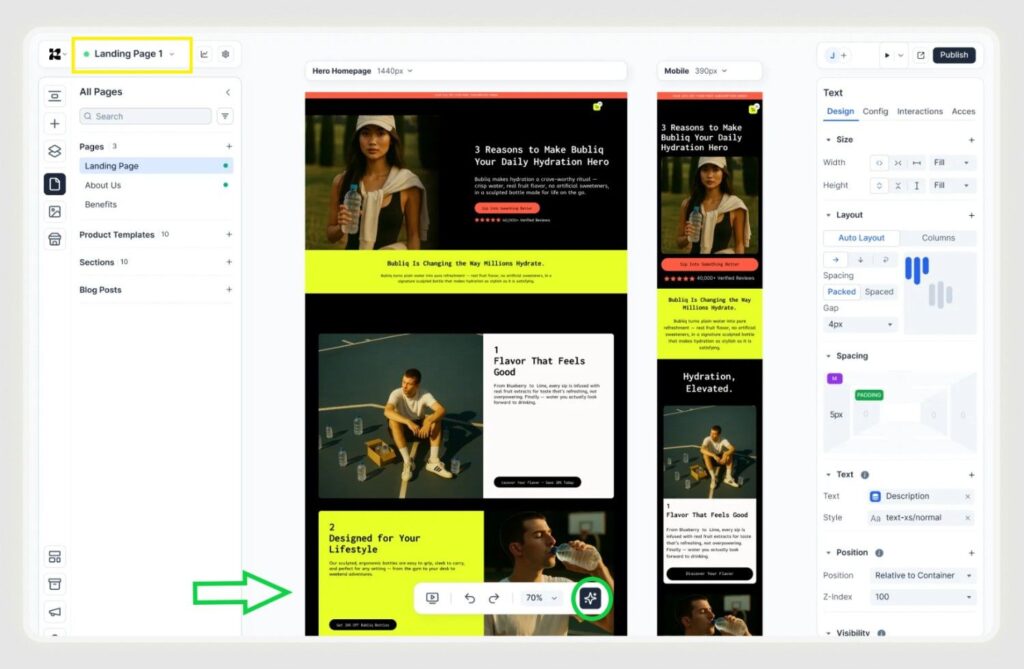
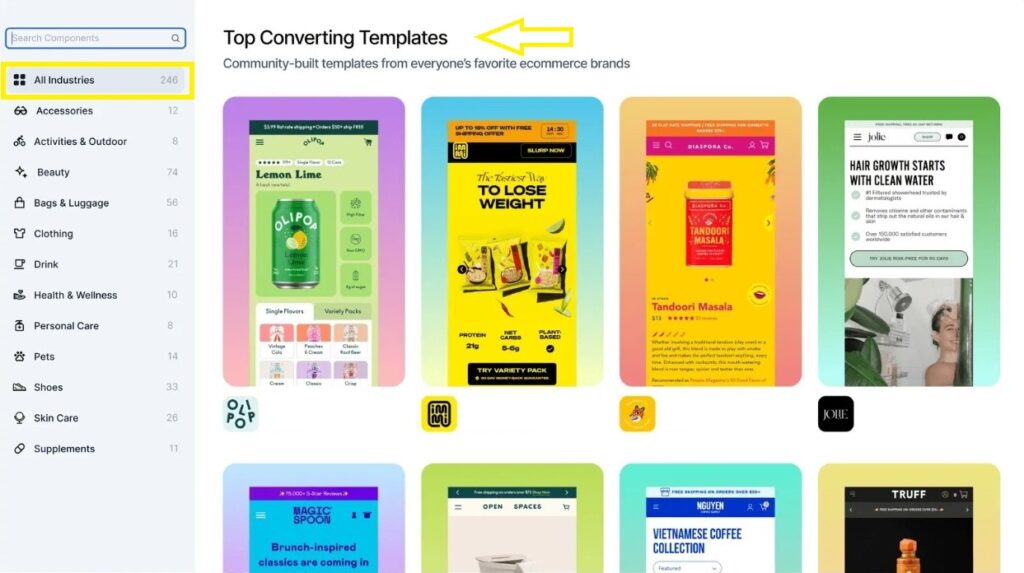
Most Shopify stores are sending paid traffic to default product pages and wondering why conversion rates are mediocre. Dedicated landing pages built for specific campaigns consistently outperform product pages for paid traffic. Replo and PageFly are both native Shopify page builders with AI features — copy suggestions, layout recommendations, conversion optimization guidance. This is where shopify automation meets design for the purpose of actually converting traffic.
Best Shopify Use Cases:
- Campaign-specific landing pages for paid traffic
- Seasonal promotion pages with fast build times
- Custom collection pages with better merchandising
- A/B testing page layouts with AI-suggested variants
- Hero product pages that go beyond the default Shopify template
I Personally Tested:
I used Replo to build a Black Friday landing page for a home decor store. The AI copy suggestions were a reasonable starting point — not publication-ready, but faster than writing from scratch inside the builder. The layout templates are strong and the Shopify integration is genuinely seamless. Build time was about 2 hours for a polished page that would have taken me 4-5 hours in the native Shopify editor. That page converted at about 1.8x the standard product page rate on the same traffic.
| Pros | Cons |
| Native Shopify integration — no clunky connections | AI copy features are helpful but not exceptional |
| Strong template library for ecommerce campaigns | Monthly cost adds up for stores with tight margins |
| Meaningfully faster than native Shopify editor | Learning curve on advanced customization |
| Good for paid traffic landing page optimization | Free tiers are quite restrictive |
Pricing: PageFly free (limited pages). Replo from $0 (1 page) to $99/month.
🔗 replo.app | pagefly.io
AI Inventory Management Tools
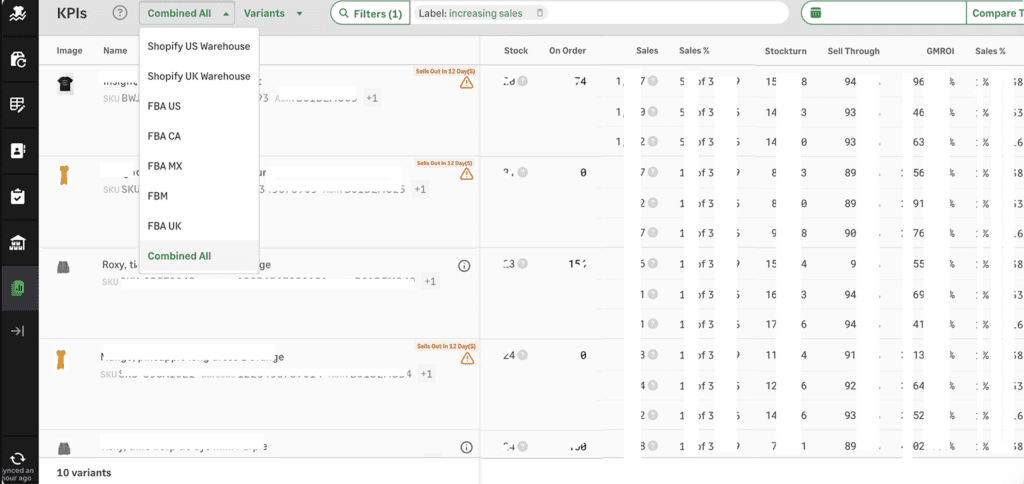
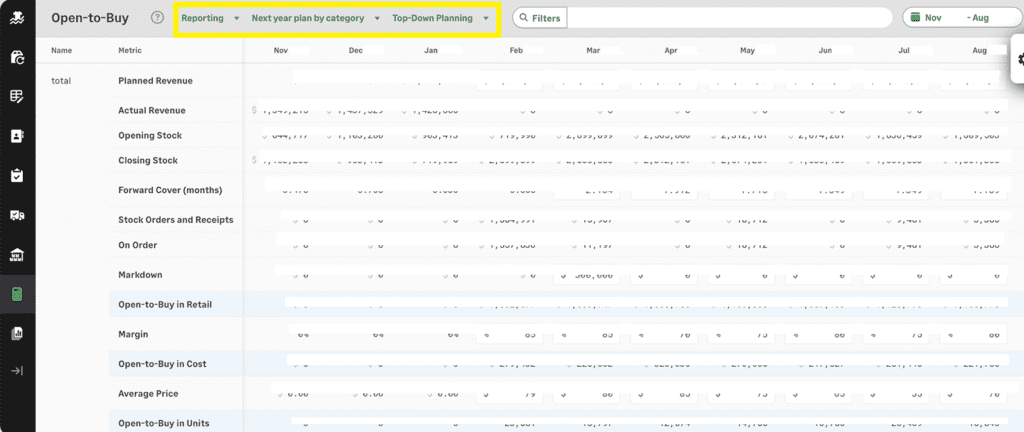
Stockouts on your best sellers. Dead inventory sitting in your warehouse eating cash. These are the two inventory nightmares that AI inventory management tools are actually good at solving. Inventory Planner and Cogsy both integrate directly with Shopify and use ML-based forecasting to predict demand, suggest reorder quantities, and flag at-risk SKUs before you’re already out of stock. This is how you integrate AI-driven inventory management tools with Shopify practically.
For dropshipping stores, the inventory challenge is different but equally real — understanding which products are trending before you’re stuck with a promoted item that goes out of stock at your supplier.
Best Shopify Use Cases:
- Demand forecasting for seasonal and trending products
- Automated reorder alerts before stockout
- Identifying slow-moving inventory for promotional pricing
- Supplier lead time management
- Cash flow planning based on inventory projections
I Personally Tested:
A fashion accessories store I work with had a recurring pattern — stockouts on top sellers during peak periods, excess inventory on slow movers. Classic inventory management failure. We ran Inventory Planner for a full quarter. It flagged 10 products as stockout risks. Eight of them would have stocked out without the early warning — we reordered in time. Two were affected by unpredictable external factors the model couldn’t anticipate. Stockouts that quarter dropped about 60% compared to the prior period.
| Pros | Cons |
| Demand forecasting accuracy is genuinely strong | Needs 6+ months of sales history to work well |
| Stockout prevention pays for the subscription fast | Interface is functional but not modern |
| Cash flow planning features are useful | New stores see limited benefit |
| Native Shopify data connection | Not free — meaningful monthly cost |
Pricing: Inventory Planner from ~$99/month. Cogsy from ~$20/month. Free trials available.
Klaviyo AI for Email Marketing
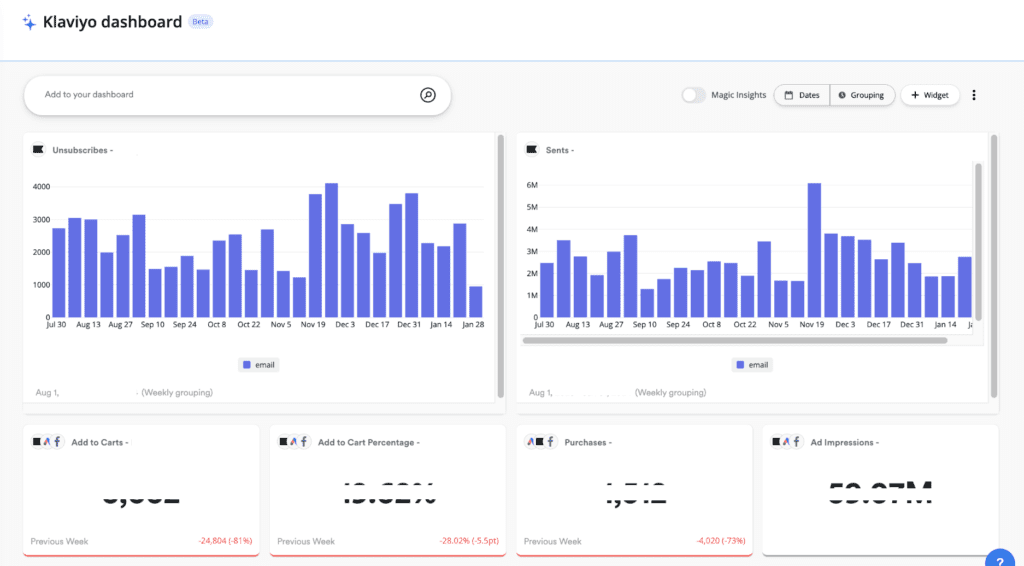
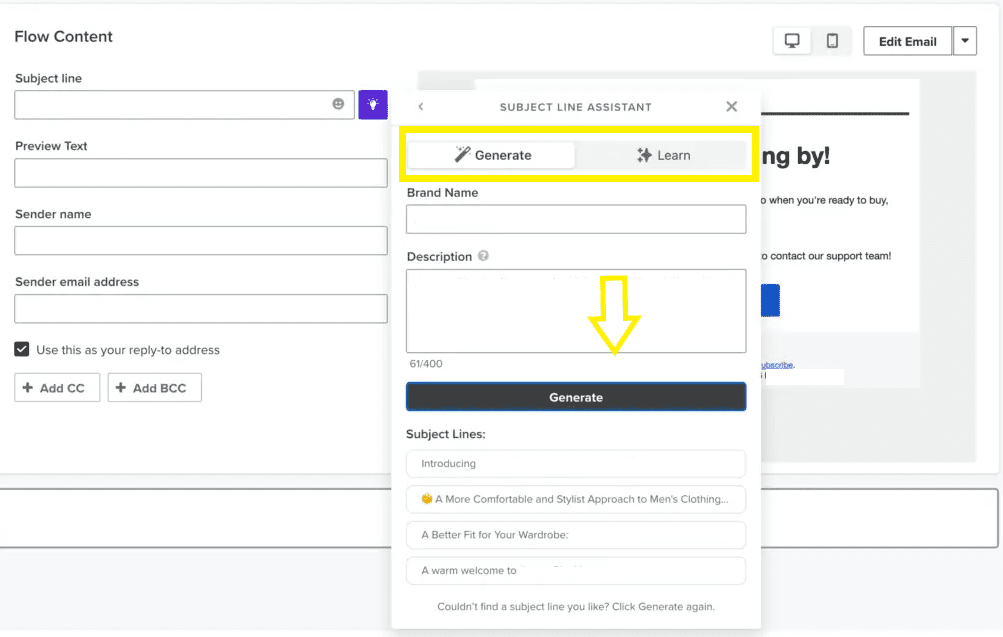
Klaviyo is already the standard email platform for serious Shopify stores. The AI layer on top of it — send time optimization, predictive customer lifetime value segmentation, subject line performance prediction, automated flow recommendations — turns a good email tool into a genuinely intelligent one. If you’re asking about tools to automate Shopify email marketing with artificial intelligence, Klaviyo AI is the most complete answer for stores at any meaningful scale.
Best Shopify Use Cases:
- Abandoned cart recovery with individually optimized send timing
- Predictive CLV segmentation for targeted campaigns
- Subject line testing with performance predictions
- AI-suggested email flow optimizations
- Personalized product recommendation blocks in emails
I Personally Tested:
My abandoned cart flows were running on fixed 1-hour and 24-hour delays. Standard setup, decent results. I turned on Klaviyo AI’s smart send timing — it optimizes delivery per individual subscriber based on their engagement patterns instead of fixed delays. Abandoned cart recovery rate went from about 7% to 11% over two months. At my average order value that time period, that was a meaningful dollar difference recovered every single month from a change that took about 10 minutes to enable.
For a broader set of free tools to layer into your stack, see the 10 Best Free AI Tools 2026 for USA Small Businesses.
| Pros | Cons |
| Native Shopify integration is seamless | Free tier caps out at 250 contacts |
| Predictive CLV segmentation is genuinely powerful | Gets expensive as your list grows |
| Send time optimization has measurable impact on recovery | AI copy suggestions are decent but not exceptional |
| Best-in-class abandoned cart automation | Full feature set has a real learning curve |
Pricing: Free up to 250 contacts. Paid plans scale with list size — typically $20–$150+/month.
AI SEO Tools for Shopify
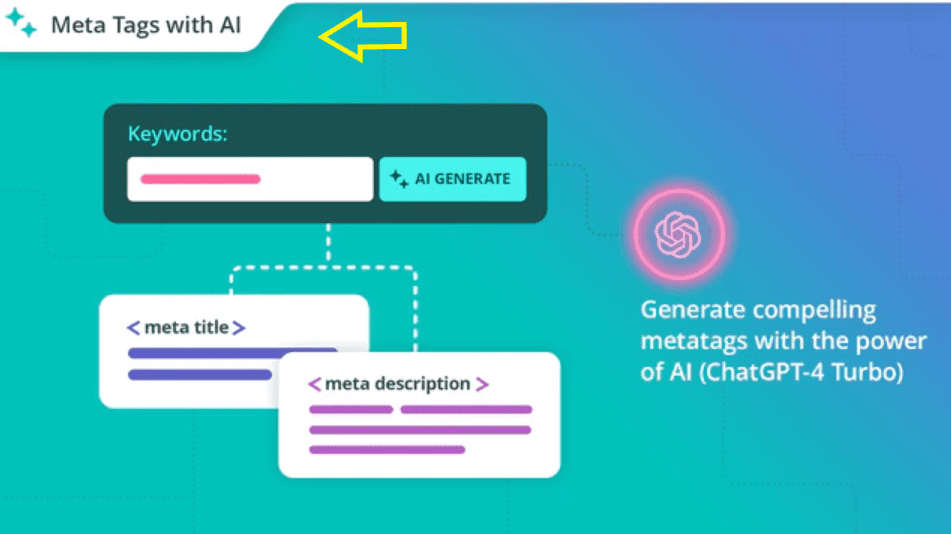
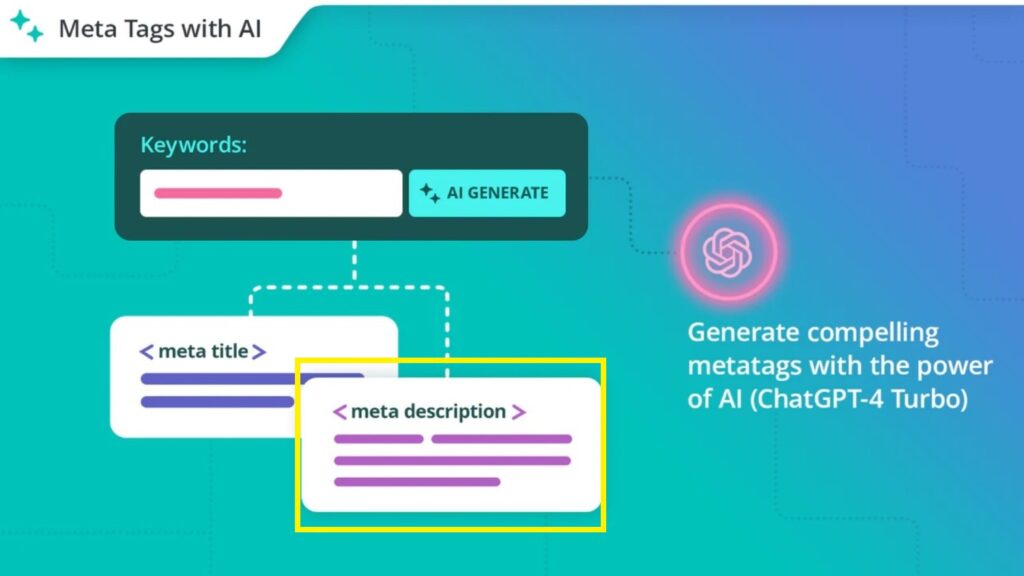
Most Shopify stores launch with empty meta descriptions, no alt text on product images, and collection pages with no SEO content. It’s not laziness — it’s that doing it manually across hundreds of products is genuinely painful. AI SEO tools for Shopify solve the bulk optimization problem. Smart SEO and Plug In SEO are the most popular App Store options for automated on-page SEO. Surfer SEO and Semrush with AI features are better for deeper content strategy and keyword research.
Best Shopify Use Cases:
- Bulk meta description generation for product catalog
- Automated alt text for product images
- Blog content briefs and AI-assisted article drafting
- Keyword gap analysis for categories and collections
- Schema markup automation for product pages
I Personally Tested:
A store with 200 products and basically empty SEO fields. I ran Smart SEO and let it auto-generate meta descriptions and alt text based on existing product data. Setup took about 20 minutes. Output quality was about 80% usable — much better than empty fields, occasionally generic on products with sparse data. Organic traffic improved meaningfully over the following 10 weeks. SEO always has a lag, but the baseline improvement was clear compared to the prior period.
| Pros | Cons |
| Bulk optimization saves enormous manual time | AI descriptions can be generic without good product data |
| Native Shopify App Store integration | Deeper strategy still requires human SEO thinking |
| Automated alt text generation covers a common gap | Some tools have limited customization options |
| Strong free tiers available for basic optimization | Doesn’t replace dedicated keyword research tools |
Pricing: Smart SEO free plan available. Plug In SEO from free to $29.99/month. Surfer SEO from $79/month.
Head-to-Head Comparisons
Claude vs ChatGPT — which is better for Shopify product descriptions?
For volume with brand consistency: ChatGPT custom GPTs win. You configure once and run hundreds of products through the same voice. For individual high-quality descriptions on hero products: Claude produces more natural, less formulaic output. Most stores doing serious content volume end up using both — ChatGPT for scale, Claude for the products that really matter.
Is Shopify AI (Magic/Sidekick) good enough, or do you need third-party tools?
For new stores and basic tasks, absolutely good enough to start. As you scale past 100 orders a month, the limitations show. Sidekick doesn’t handle customer service. Magic descriptions can be generic. Treat the native shopify artificial intelligence features as your foundation and add specialized tools as your volume justifies the cost.
Which AI is best for Shopify SEO specifically?
Smart SEO or Plug In SEO for automated bulk optimization on existing product pages. Surfer SEO for content strategy, keyword research, and blog optimization. They’re different layers of the same problem — most growing stores benefit from both.
Gorgias vs free chatbot options for Shopify — is it worth paying?
There are free chatbot for shopify options — Tidio has a genuine free tier — that work for early-stage stores. Once you’re past 100 orders a month and support volume is a real operational burden, Gorgias’s deeper integration and more capable AI justify the cost. The best chatbot for shopify depends entirely on where your order volume is right now.
Which AI tools are best for dropshipping specifically?
For AI tools for Shopify dropshipping, the content side matters most — bulk product description generation with ChatGPT custom GPTs, automated SEO optimization, and AI-powered ad copy for testing creative at scale. Perplexity AI for product trend research before you add new suppliers. Gorgias or Tidio for the customer service volume dropshipping generates. AI tools for dropshipping are about handling scale, because dropshipping catalogs are typically huge.
How to Use AI to Run Your Shopify Store in 2026
Here’s the practical step-by-step I’d use if I was setting up a new store today, or optimizing an existing one systematically.
Step 1 — Fix your product content foundation first. Start with Shopify Magic for bulk first drafts. Refine with Claude or a ChatGPT custom GPT for hero products. Set up a brand-configured custom GPT if you have more than 50 SKUs. This is the highest time-leverage task in the early stages.
Step 2 — Cover your SEO baseline immediately. Install Smart SEO or Plug In SEO and run automated optimization on your entire catalog. Every product should have a meta description. Every image should have alt text. This takes hours with AI instead of weeks manually.
Step 3 — Set up email automation properly. Klaviyo at minimum should have: abandoned cart flow, welcome series, post-purchase sequence. Enable AI send time optimization from day one. This recovers revenue you’re currently leaving on the table every single day.
Step 4 — Add customer service AI when volume justifies it. Under 50 orders a month, start with Tidio’s free tier. Over 100 orders a month, evaluate Gorgias. Configure it to handle order status, returns, and shipping questions automatically — that’s the majority of your ticket volume.
Step 5 — Use research AI continuously. Perplexity AI before adding any new product to understand the category, competitors, and customer pain points. ChatGPT for brainstorming marketing angles and ad copy variations. This isn’t one-time — it’s ongoing.
Step 6 — Add inventory forecasting once you have data. After 6 months of sales history, add Inventory Planner or Cogsy. It will prevent stockouts on your best sellers during peak periods, which is when stockouts hurt most.
Step 7 — Build conversion-focused landing pages for paid traffic. For any product or campaign running paid traffic, use Replo or PageFly to build a dedicated page. The conversion difference compared to defaulting to a product page is consistently meaningful.
FAQs
Will AI disrupt Shopify and ecommerce overall?
It already is — but positively for smart operators. AI raises the baseline output of a one or two-person operation to what previously required a team. Stores using AI well in 2026 are running faster, converting better, and spending less on manual labor than their non-AI competitors. That’s a structural advantage, not a temporary one.
Is Shopify AI free?
Shopify Magic and Sidekick are included with all Shopify plans at no additional cost. They’re genuinely useful for basic tasks. The specialized third-party AI tools — customer service, email marketing, inventory, SEO — have their own costs, though most have free tiers worth starting with.
Which AI is best for Shopify?
Different tools dominate different functions. Shopify Magic for native convenience. Claude and ChatGPT for content. Gorgias for customer service. Klaviyo AI for email. Smart SEO for on-page SEO. The best answer is a stack, not a single tool.
How to use AI for Shopify store to increase sales?
Focus on the four highest-leverage areas: better product descriptions that actually convert, faster customer service that improves reviews and repeat purchases, abandoned cart recovery optimization in Klaviyo, and conversion-focused landing pages for paid traffic. Those four together have the most direct impact on revenue.
What are the best AI tools for automating Shopify product descriptions?
Shopify Magic for speed and convenience, ChatGPT custom GPTs for brand-consistent bulk generation, Claude for quality-critical individual products, and Jasper or Anyword for conversion-focused copy with performance data. The right choice depends on your SKU count and quality requirements.
Which AI apps can help optimize Shopify store SEO?
Smart SEO and Plug In SEO for automated bulk optimization. Surfer SEO for content strategy and blog optimization. Semrush for keyword research. For most small stores, Smart SEO’s free tier is the right starting point.
How can AI improve my Shopify store’s customer service?
The most direct answer is Gorgias AI — it automates the repetitive 60-70% of tickets, routes complex issues to human agents, and uses sentiment detection to prioritize upset customers. Response times drop from hours to minutes for automated responses. That directly affects reviews, which affects conversion.
List AI-powered chatbots compatible with Shopify stores.
Gorgias (deepest Shopify integration, best for high volume), Tidio (strong free tier, solid for growing stores), Reamaze (email + chat combined), Zendesk AI (enterprise scale), and Shopify’s native chat with basic automation. The shopify chat bot options in 2026 cover every budget and volume level.
How to integrate AI-driven inventory management tools with Shopify?
Most tools like Inventory Planner and Cogsy connect via direct Shopify API integration — install from the App Store or their website, connect your store, let it sync historical data, and it starts generating forecasts based on your actual sales. Setup typically takes under an hour. You need at least a few months of data for meaningful forecasts.
Can AI help me build my Shopify store from scratch?
Yes — more than most people realize. Shopify Magic for initial product descriptions. Claude or ChatGPT for policy pages, About Us content, and FAQ sections. Replo or PageFly for building key pages faster. AI won’t make strategic decisions for you, but it removes most of the content and design friction from getting a store launch-ready. For free options that help during the launch phase, check out the 10 Best Free AI Tools 2026 for USA Small Businesses.
What are the best AI marketing tools for Shopify?
Klaviyo AI for email and SMS — no debate. ChatGPT and Anyword for ad copy. Jasper for campaign content at scale. Replo or PageFly for conversion-optimized landing pages. Together these cover the full paid and owned marketing stack.
How is AI used in ecommerce more broadly?
Across the entire commercial funnel: personalized product recommendations, dynamic pricing, fraud detection, demand forecasting, customer service automation, content generation, SEO optimization, and email personalization. How AI is used in ecommerce in 2026 spans every operational layer of a store — not just content.
Final Verdict & My Recommended AI Stack for Shopify
After running multiple stores with these tools across different niches and sizes, here’s my honest recommendation based on where you are.
New Shopify store (under 50 orders/month): Keep costs near zero. Shopify Magic for product descriptions. Claude and ChatGPT free tiers for content support. Smart SEO free tier for baseline SEO. Tidio free chatbot for basic customer questions. Klaviyo free up to 250 contacts. Total: essentially zero additional cost on top of your Shopify plan. Get the fundamentals right before adding paid tools.
Growing store (100+ orders/month): This is where paid tools start showing clear ROI. Upgrade to Klaviyo paid with AI features on. Add Gorgias for customer service — it pays for itself in time saved at this volume within weeks. Claude Pro or ChatGPT Plus for content. Smart SEO paid tier. Evaluate Inventory Planner if you hold your own stock. Total: roughly $100–$250/month. Definitely worth it at this stage.
Established dropshipping store: Your priorities are catalog scale and traffic conversion. ChatGPT custom GPT for bulk product description generation. Perplexity Pro for ongoing product research. Anyword if you’re running significant paid traffic where copy quality directly affects returns. Gorgias for the higher support volume dropshipping generates. Klaviyo with full AI features. As a reference, the 10 Best Free AI Tools 2026 for USA Small Businesses has solid free options to layer in alongside paid tools. Total: $200–$400/month for a comprehensive AI-powered operation.
The straightforward truth in 2026: you don’t need all of these at once. Start with the tool that fixes your biggest current pain point. If it’s content volume, start with ChatGPT. If it’s support time, start with Gorgias or Tidio. If it’s email recovery, start with Klaviyo. Build the stack gradually and each tool earns its place before the next one gets added.
The gap between AI-enabled Shopify stores and manually-operated ones is widening every quarter. The tools are accessible, affordable, and genuinely effective. The only thing that doesn’t make sense anymore is waiting.
Need custom AI automation for your Shopify store? Book a free 15-min consult:
Confused between AI tools? Try our free comparison tool — no signup needed:

AI Nexte Editorial Team researches, tests, and reviews AI tools, workflows, and automation platforms for businesses, creators, and professionals. Our content is based on hands-on testing, industry research, feature analysis, and real-world use cases.








No Comments