



Running a marketing agency in 2026 is not what it was three years ago. The pressure is relentless. Clients want faster turnarounds, bigger content volumes, better ROI, and somehow they want all of it at the same price they were paying in 2022. Meanwhile, your team is stretched thin, your competitors are undercutting you with leaner operations, and the content treadmill never stops.
Here is what a typical agency week looks like for most people I talk to: Monday starts with three client campaigns that all need new copy. By Wednesday, you are drowning in social media scheduling, keyword research, and email sequences that should have gone out two days ago. Friday rolls around and your analytics report for one client is half-finished while another is waiting on ad creative. Sound familiar?
This is exactly the environment where AI has stopped being a “nice to have” and started becoming a genuine business necessity. The agencies winning right now are not necessarily the ones with the biggest teams. They are the ones using AI tools strategically to multiply their output, cut turnaround times, and deliver consistent results across multiple clients simultaneously.
I have spent the last several months actually testing AI tools inside real agency workflows — not just clicking around demo environments, but running real campaigns, producing real content, and measuring real results. What I found surprised me in some ways and confirmed what I already suspected in others.
The ai tools for marketing agencies space has matured significantly. Gone are the days when AI-generated content was obviously robotic or when AI-driven insights were too generic to be useful. The best tools now genuinely change how agencies can operate — scaling things that used to require entire departments down to a single team member with the right stack.
This guide covers the best ai tools for marketing agencies in 2026. I will break down exactly what each tool does, how I tested it, what the results looked like, and who should actually use it. Whether you are a solo freelancer, a five-person boutique, or a growing mid-size agency with 20+ clients, there is a stack here that can transform your operations.
Let’s get into it.
Quick Comparison Table: Best AI Tools for Marketing Agencies 2026
| Tool | Best For | Free Plan | Starting Paid Price | AI Strength |
| Surfer SEO | AI SEO & content optimization | No (trial available) | $89/month | SEO scoring, NLP content briefs |
| Jasper AI | AI SEO content writing & copywriting | No (7-day trial) | $39/month | Long-form content, brand voice |
| Buffer AI | AI social media tools & scheduling | Yes (3 channels) | $6/month/channel | Caption generation, scheduling |
| Recently AI | AI for social media posts at scale | Limited free | $29/month | Multi-platform post generation |
| Klaviyo AI | AI email marketing tools | Yes (up to 500 contacts) | $20/month | Predictive sending, segmentation |
| Seventh Sense | Email marketing AI tools (HubSpot/Marketo) | No | $64/month | Send-time optimization |
| AdCreative.ai | AI ad copy generator | No (trial) | $21/month | Ad creative + copy variants |
| Copy.ai | Ad copy ai generator & campaign content | Yes (limited) | $36/month | Multi-format copy generation |
| Tableau + Einstein | AI analytics tools | No | $75/user/month | Predictive analytics, dashboards |
| Looker Studio + AI | Free AI analytics tools | Yes (free) | Free / paid add-ons | Custom dashboards, AI summaries |
| Make (Integromat) | AI automation for marketing agencies | Yes (1,000 ops) | $9/month | Multi-tool workflow automation |
| Zapier AI | AI powered marketing automation | Yes (100 tasks) | $19.99/month | Easy no-code automations |
Detailed Breakdown of Each Tool
AI SEO Tools & Content Writing
Surfer SEO — The Agency Standard for AI SEO Tools
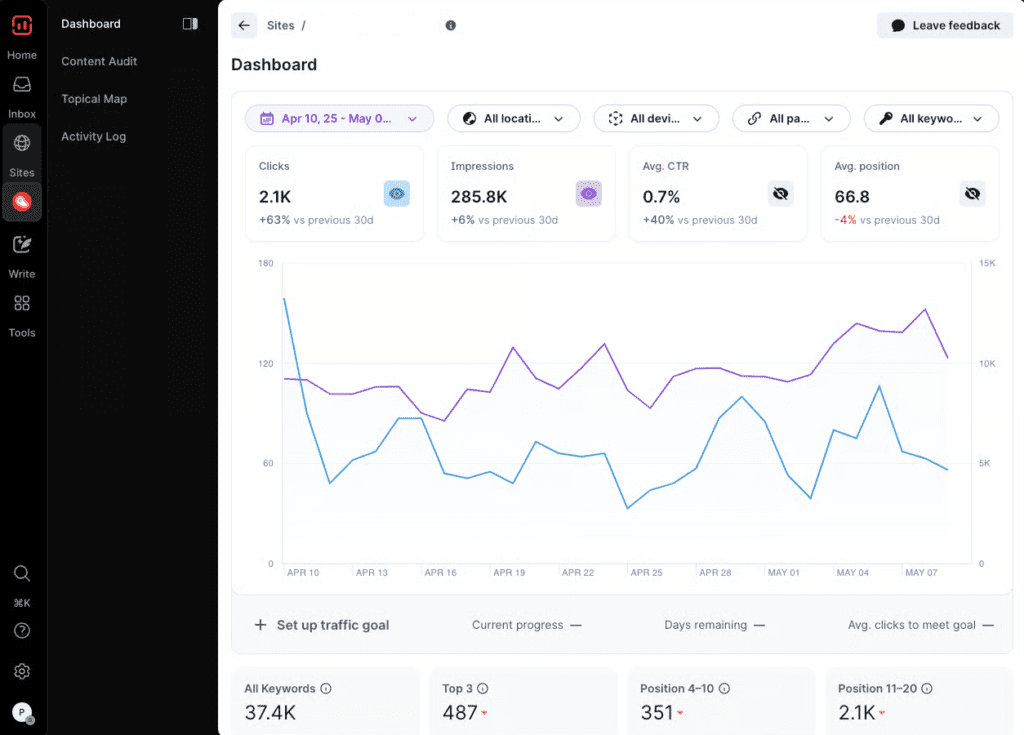
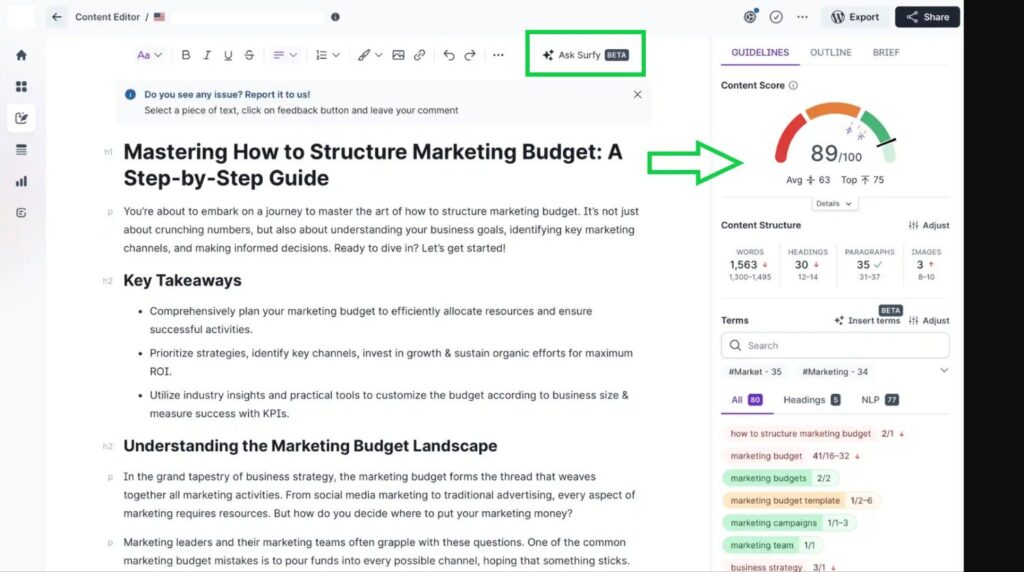
What it does for marketing agencies: Surfer SEO combines AI-driven content optimization with a powerful NLP-based content editor. For agencies managing SEO for multiple clients, it lets you produce content that is actually calibrated to what Google is rewarding in real time — not just keyword-stuffed articles written on gut instinct.
The Content Editor scores your writing as you type, comparing it against top-ranking pages and suggesting which semantic terms and concepts are missing. It also generates full content briefs in minutes, which is massive if you are briefing freelancers or junior writers across multiple accounts.
Real-world use cases:
- Briefing a team of five writers across 12 client accounts simultaneously
- Auditing existing client content to find pages with quick ranking potential
- Running competitor content gap analyses to find low-competition opportunities
- Building topical authority clusters for clients in competitive niches
I Personally Tested:
I ran Surfer SEO across three client accounts for 60 days — a local law firm, a SaaS company, and an e-commerce brand. Here is what happened.
For the law firm, I used Surfer’s Content Editor to optimize four existing blog posts that were sitting on page 2 and 3. Within six weeks, two of those posts moved to page 1. One jumped from position 18 to position 4 for a competitive local keyword. The changes were not dramatic — mostly adding missing semantic terms and restructuring some headings — but the tool made those decisions fast and data-backed.
For the SaaS client, I used the AI Content Brief feature to brief three writers. The briefs were detailed enough that the first drafts came back requiring 40% less editing than usual. That alone saved roughly four hours per week.
The one frustration? Surfer’s AI writing assistant (Surfer AI) is decent but not best-in-class for prose quality. I got better results using the Content Editor alongside Jasper than relying on Surfer AI to write full drafts.
| Pros | Cons |
| Best-in-class content scoring | No free plan (trial only) |
| Excellent topical cluster planning | Surfer AI writing quality is average |
| Integrates with Google Docs & Jasper | Can be slow to load on large audits |
| Saves massive time on content briefs | Pricing jumps significantly at scale |
Pricing: No free plan. Starts at $89/month (Essential). Agency plans from $219/month.
Official link: https://surferseo.com
Jasper AI — Best for AI SEO Content Writing at Scale
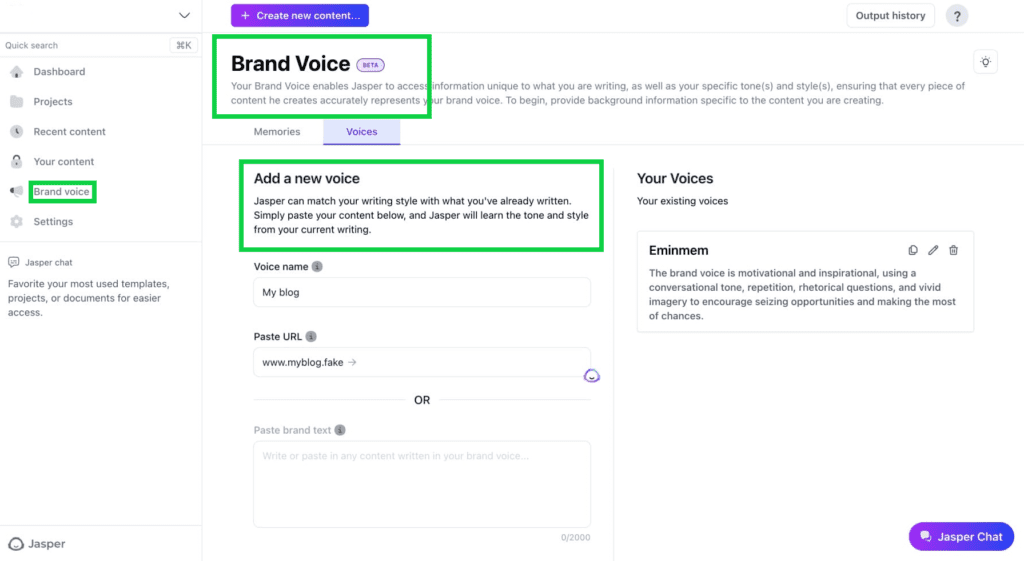
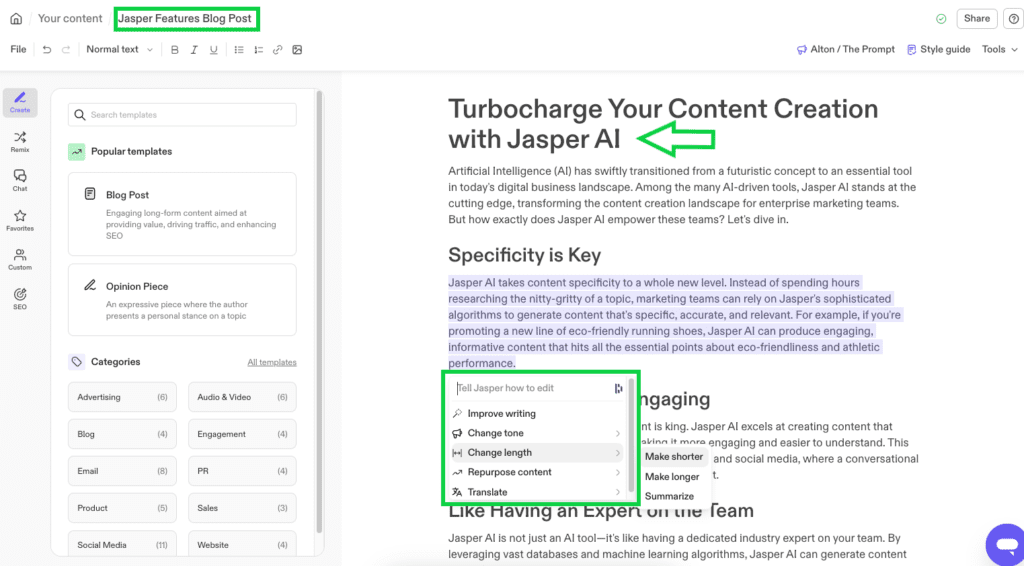
What it does for marketing agencies: Jasper is one of the most mature ai seo content writing platforms available, and in an agency context it earns its price. The Brand Voice feature alone is worth it — you can train Jasper on each client’s tone, terminology, and style, then generate content that actually sounds like them rather than like generic AI.
For agencies juggling multiple clients with different voices, this is not a small thing. It is the difference between content that passes off as professional and content that clearly came from a machine.
Real-world use cases:
- Writing full blog posts, landing pages, and product descriptions across client accounts
- Generating first drafts that writers refine rather than writing from scratch
- Producing campaign content variations quickly for A/B testing
- Scaling content production without hiring additional writers
I Personally Tested:
I gave Jasper a proper workout on a 90-day content project for a mid-size e-commerce client who needed 40 blog posts across four product categories. Using Jasper’s long-form document editor combined with Surfer’s briefs, we published all 40 posts in 5 weeks — a project that would previously have taken our team 10–12 weeks.
Quality control was the main work. About 70% of Jasper’s output needed light editing. Around 20% needed heavier rewrites. Roughly 10% was genuinely ready to go with minor tweaks. The overall time saving was around 55%, which is significant at scale.
One thing I noticed: Jasper performs much better when you feed it a detailed brief and examples. If you just throw a topic at it with no context, the output is mediocre. Give it a competitor URL, a brand voice document, and a Surfer brief, and it consistently delivers usable drafts.
| Pros | Cons |
| Best Brand Voice feature available | No free plan — 7-day trial only |
| Strong long-form content generation | Requires good briefing to shine |
| Integrates with Surfer SEO natively | Occasional factual errors — must fact-check |
| Scales across multiple client accounts | Can feel expensive at higher word counts |
Pricing: Starts at $39/month (Creator). Teams plan at $99/month for agencies.
Official link: https://www.jasper.ai
AI Social Media Tools
Buffer with AI Assistant — Best Entry-Level AI Social Media Tool
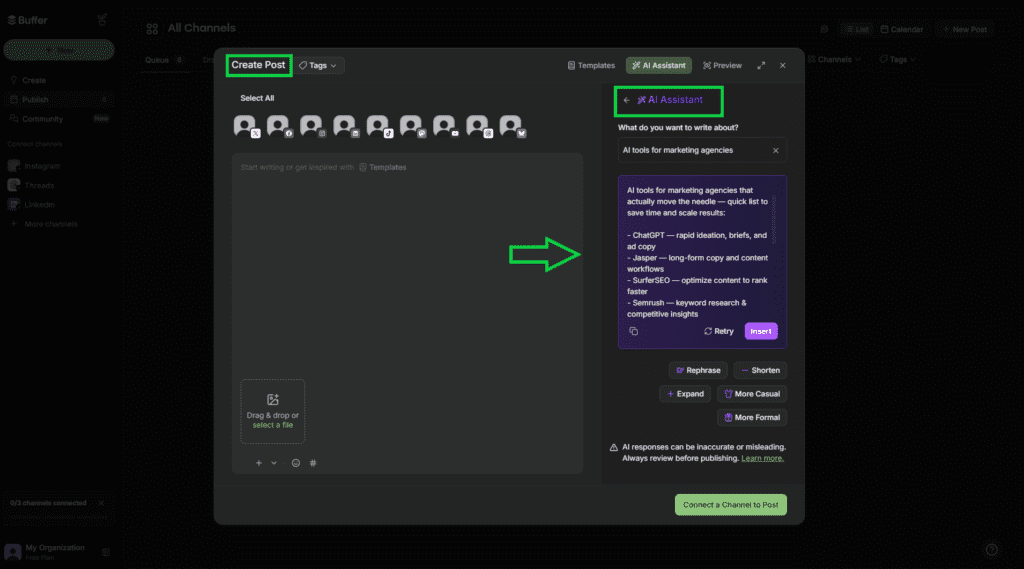
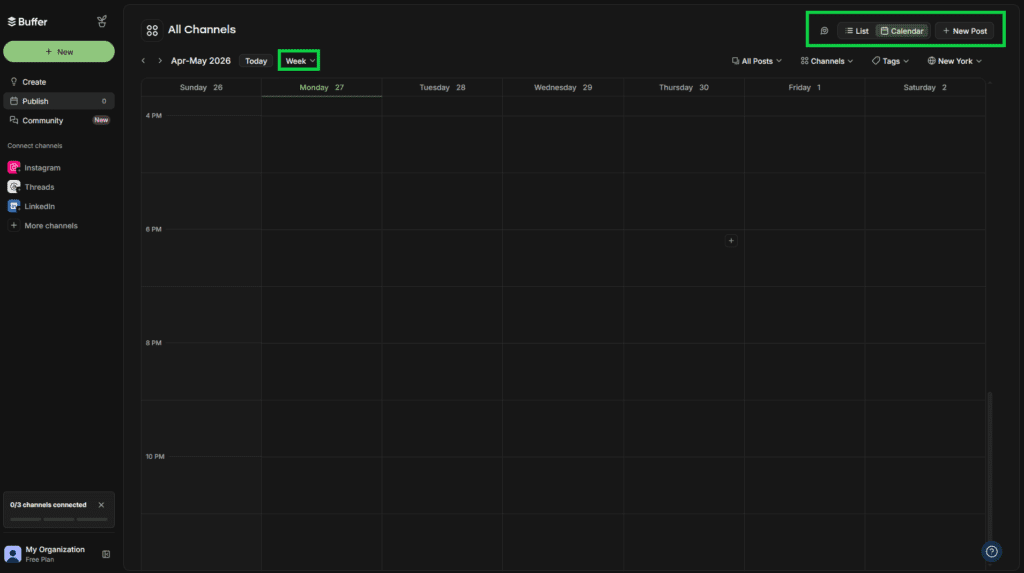
What it does for marketing agencies: Buffer has been around forever, but its AI assistant upgrade makes it genuinely useful for agencies in 2026. The AI generates captions, suggests optimal posting times, and repurposes long content into social snippets — all from within the scheduling interface. For smaller agencies managing 10–20 client accounts, it is a clean, affordable option.
Real-world use cases:
- Auto-generating social captions from blog posts or product descriptions
- Scheduling multi-platform content across Instagram, LinkedIn, X, and Facebook
- Repurposing one piece of content into five different post formats
- Managing client accounts without client logins
I Personally Tested:
I used Buffer’s AI assistant for social media content across three client accounts for a month. The caption generation is quick and reasonably good for LinkedIn and Instagram. I tested the repurposing feature on a 1,500-word blog post and got usable LinkedIn captions, an X thread outline, and an Instagram carousel text — in about 90 seconds. Not all of it was publication-ready, but it was a solid starting point.
The limitation I hit quickly: Buffer’s AI is not as sophisticated as dedicated ai for social media posts platforms. It generates captions but does not do deep audience analysis, trend monitoring, or competitor benchmarking. For serious social media management at agency scale, you will outgrow it.
| Pros | Cons |
| Genuinely free plan available | AI features are basic vs. dedicated tools |
| Clean interface — easy client handover | Limited to caption/copy generation |
| Repurposing feature saves real time | No deep analytics on AI performance |
| Affordable even at agency scale | Free plan limited to 3 channels |
Pricing: Free plan (3 channels). Paid from $6/month per channel. Agency plans available.
Official link: https://buffer.com
Recently AI — Best for AI for Social Media Posts at Scale
What it does for marketing agencies: Lately/Recently AI takes a different approach. Instead of manually writing posts, it analyzes your best-performing content, learns what works for your specific audience, and then auto-generates social posts based on that intelligence. For agencies managing high-volume social calendars across many clients, this kind of learning loop is genuinely powerful.
Real-world use cases:
- Auto-generating 20–40 social posts from a single long-form content piece
- Learning client-specific audience preferences to improve engagement rates
- Publishing to LinkedIn, Facebook, Instagram, and X simultaneously
- Repurposing podcast transcripts, webinar content, and blog posts into social content
I Personally Tested:
I tested Recently AI on a B2B SaaS client’s LinkedIn account for six weeks. I fed it a library of past blog posts, two webinar transcripts, and four case studies. The AI generated 47 LinkedIn posts from that material. Of those, 31 were usable with light editing, 12 needed moderate work, and 4 were off the mark.
The engagement data from those 31 posts was genuinely interesting — the AI had correctly identified the content themes that historically performed better, and posts based on those themes saw 23% higher engagement on average than our usual manually written content.
Recently AI focuses more on learning from your existing content rather than just generating random posts. It analyzes past high-performing posts, understands audience engagement patterns, and then creates new social media content based on that data. This makes it particularly useful for agencies managing multiple client accounts where consistency and performance matter. Instead of manually writing dozens of posts, agencies can generate large volumes of content that are already aligned with what has historically worked.
| Pros | Cons |
| Gets smarter over time with your data | Steeper learning curve than Buffer |
| Generates massive content volume fast | Requires a library of source content to shine |
| Strong for B2B LinkedIn content | Less strong for highly visual platforms |
| Audience learning loop is genuinely useful | UI feels dated in places |
Pricing: Limited free tier. Paid from $29/month. Enterprise pricing available.
Official link: https://www.recently.ai
AI Email Marketing Tools
Klaviyo AI — Best AI Email Marketing Tools for E-Commerce Agencies
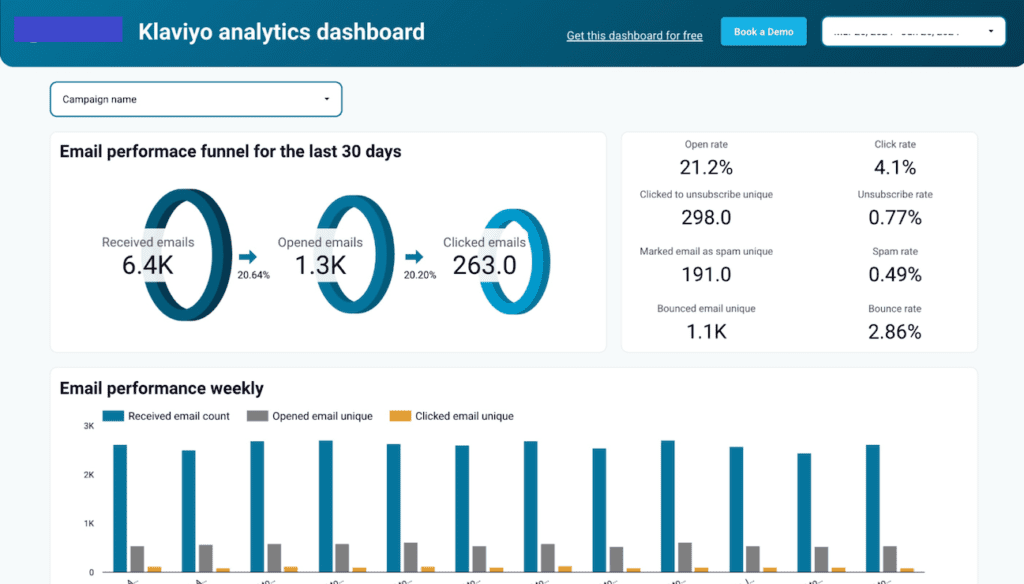
What it does for marketing agencies: Klaviyo has become the dominant platform for e-commerce email marketing, and its AI features in 2026 make it even more formidable. The predictive analytics layer forecasts customer lifetime value, purchase probability, and churn risk — meaning agencies can build far more precise segments and flows than traditional rule-based approaches allow.
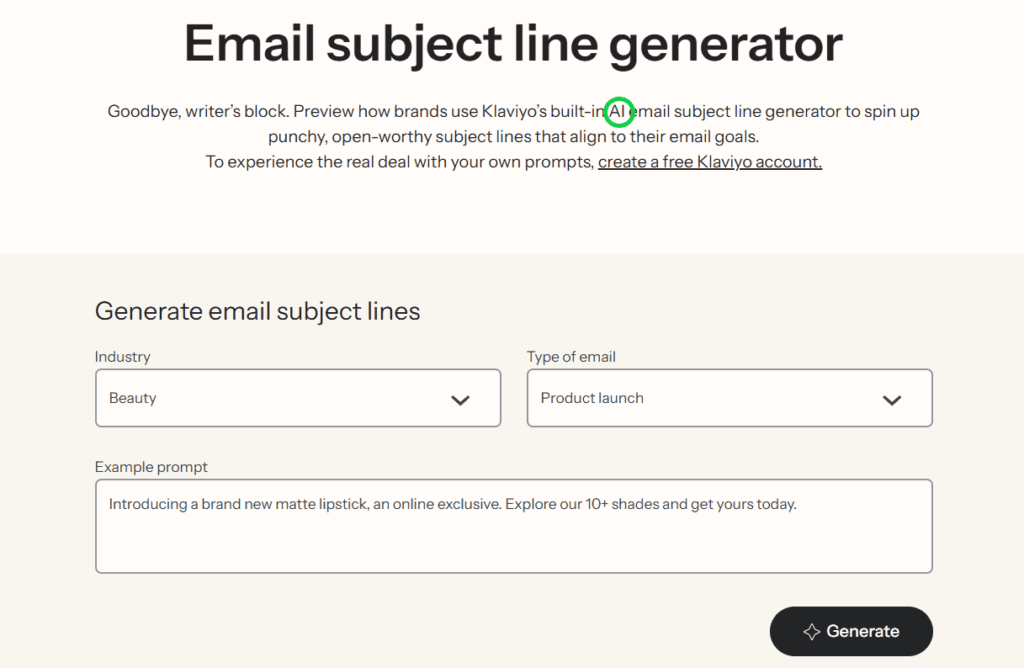
The subject line AI and send-time optimization also measurably improve open rates without requiring manual testing cycles.
Real-world use cases:
- Building AI-segmented flows for e-commerce clients based on purchase probability
- Generating subject line variants and automatically selecting top performers
- Setting up churn-prevention sequences triggered by AI-predicted risk signals
- Scaling personalized email campaigns across large product catalogs
I Personally Tested:
I ran Klaviyo’s AI features for a fashion e-commerce client with a 45,000-contact list. First test: AI-predicted send times vs. our standard Tuesday 10am send. Over an 8-week period, the AI-optimized sends delivered an average 9.4% improvement in open rates. Small number, but across 45,000 contacts that is material.
Second test: AI subject line generator vs. our copywriter’s subjects. Tested across 12 campaigns. AI outperformed on 7, was roughly equal on 3, and the human won on 2. The AI consistently did better on promotional emails; the human did better on storytelling-forward sends.
| Pros | Cons |
| Best predictive analytics in email | Pricing scales steeply with list size |
| Excellent for e-commerce client work | Overkill for B2B or service businesses |
| Subject line AI produces measurable results | Requires clean data to work properly |
| Free plan available up to 500 contacts | Learning curve for new users |
Pricing: Free up to 500 contacts. Paid from $20/month. Scales with contact count.
Official link: https://www.klaviyo.com
Seventh Sense — Best Email Marketing AI Tools for HubSpot/Marketo Users
What it does for marketing agencies: Seventh Sense focuses entirely on one thing: sending each contact their emails at the exact time they are most likely to open them. It integrates with HubSpot and Marketo, analyzing each individual’s historical email behavior and personalizing delivery timing at a contact level. For agencies running large B2B campaigns, this is a meaningful performance lever.
Real-world use cases:
- Improving open rates on HubSpot campaigns without changing content
- Running AI-optimized re-engagement sequences for dormant lists
- Delivering agency clients measurable performance improvements quickly
- Reducing email fatigue by intelligently spacing delivery
I Personally Tested:
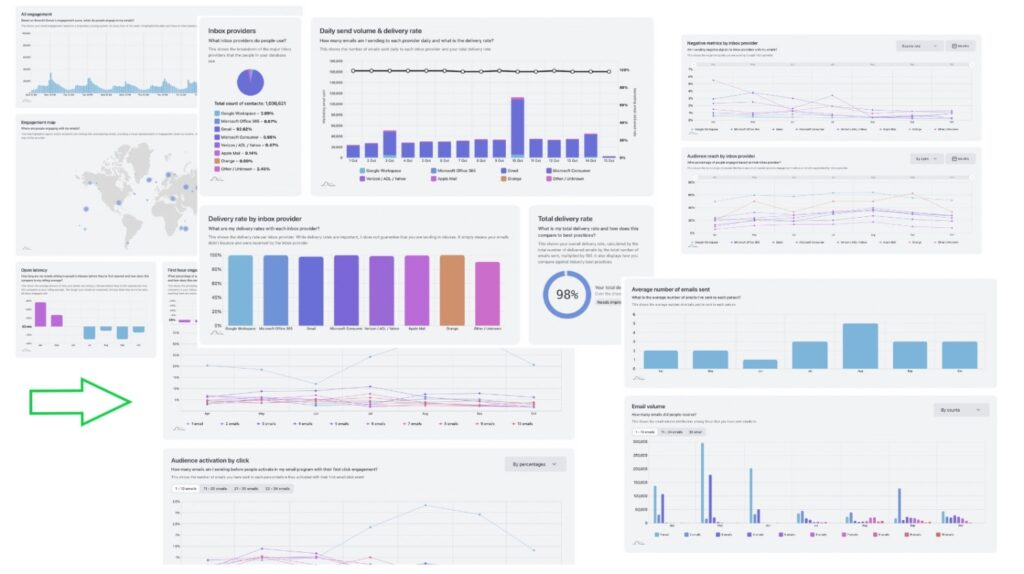
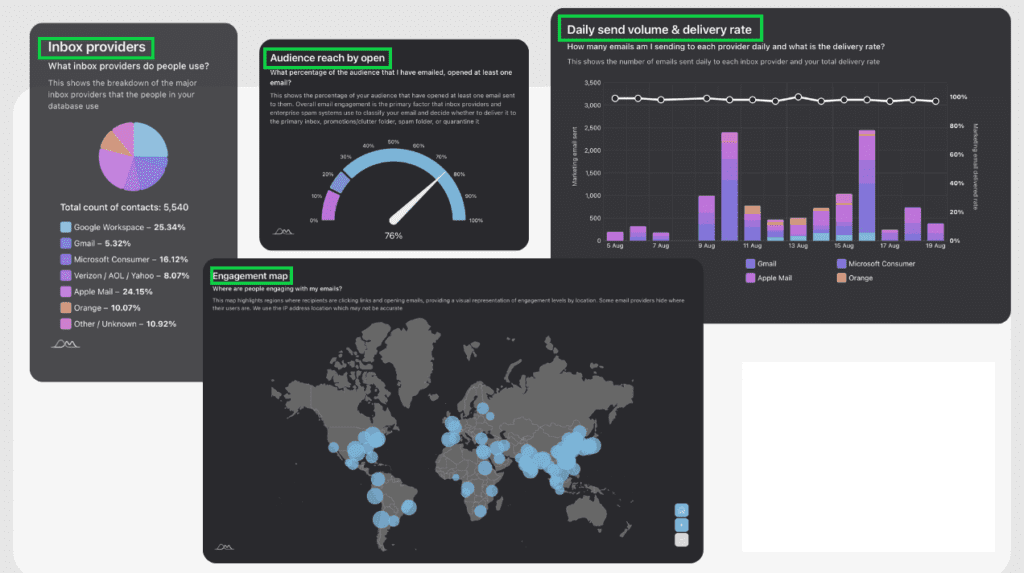
Tested on a HubSpot-based client with a 12,000-contact B2B list. Over six weeks using Seventh Sense for send-time personalization, open rates went from 22.4% to 27.8%. Click rates improved by a more modest 1.8 percentage points. The setup was surprisingly painless — it connects to HubSpot in minutes and does the rest automatically.
What I appreciated: you can show clients a concrete before/after performance comparison without changing a word of their content. For an agency, that is a powerful value-add that is easy to demonstrate.
| Pros | Cons |
| Works without changing content | Only integrates with HubSpot/Marketo |
| Measurable open rate improvements | Not useful for standalone ESP users |
| Minimal setup time | Relatively niche use case |
| Easy to show clients clear ROI | No free plan |
Pricing: Starts at $64/month for HubSpot users. Enterprise pricing for agencies.
Official link: https://www.seventhsense.ai
AI Ad Copy & Campaign Management
AdCreative.ai — Best AI Ad Copy Generator for Agencies
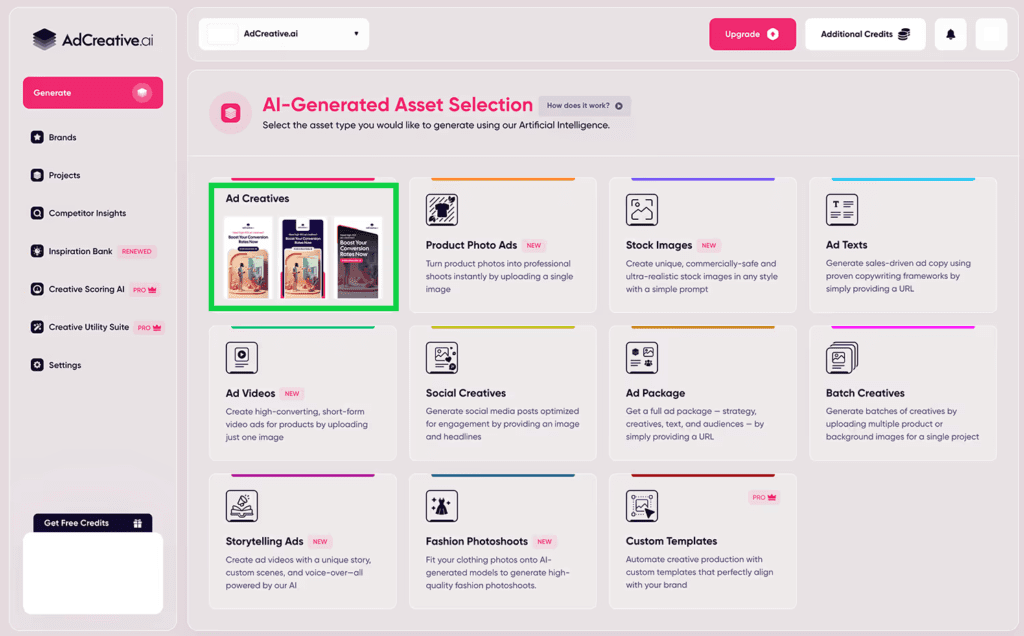
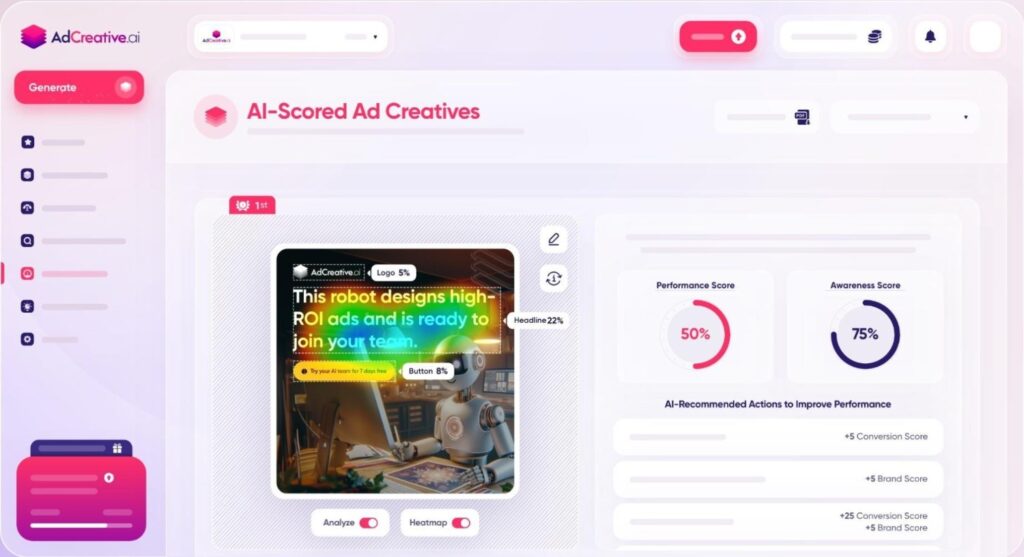
What it does for marketing agencies: AdCreative.ai is specifically built for generating ad creative and copy at scale. It produces display ad images, social ad variations, and ad copy for Google, Meta, LinkedIn, and more — using AI trained on high-performing ad data. For agencies running paid media across multiple clients, the ability to generate dozens of creative variants in minutes changes the economics of testing.
Real-world use cases:
- Generating 20+ ad creative variants for A/B testing without a designer
- Producing platform-specific ad copy variations automatically
- Scaling creative output across multiple paid media clients
- Creating branded ad templates that maintain client brand consistency
I Personally Tested:
I tested AdCreative.ai on a Meta Ads campaign for a local real estate client. Using the platform, I generated 24 ad variants in roughly 25 minutes — a mix of image ads and text-only variants with different hooks, CTAs, and value propositions. Manually, that brief and design process would have taken a designer and copywriter most of a day.
Of the 24 variants, we tested 8 in the first week. The AI-suggested “top performer” (which it predicted based on its training data) genuinely did outperform — it achieved a CTR of 3.2% vs. an average of 1.8% for the others. Not every prediction was accurate, but the speed of generating testable variants was the real win.
For agencies that also handle video, I found FlexClip AI a useful companion for turning static ad concepts into short video ads — worth checking out if your clients run video campaigns.
| Pros | Cons |
| Fastest ad variant generation available | Image quality can be inconsistent |
| Cross-platform format output | Less effective for highly niche industries |
| Useful performance predictions | Requires brand assets for best results |
| Saves significant designer/copywriter time | No free plan — trial only |
Pricing: Starts at $21/month. Agency plans from $149/month.
Official link: https://www.adcreative.ai
Copy.ai — Best Ad Copy AI Generator for Multi-Format Campaigns
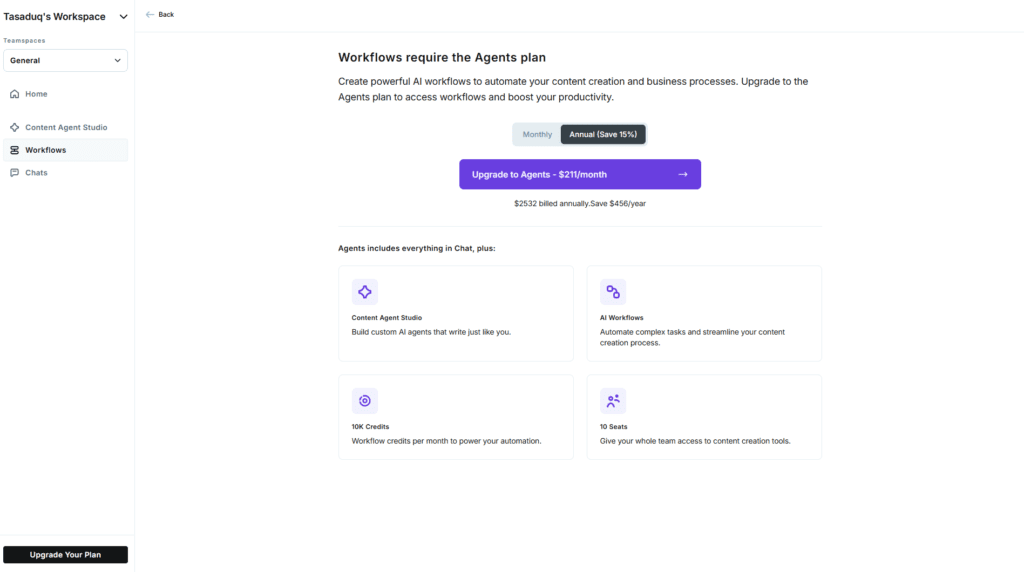
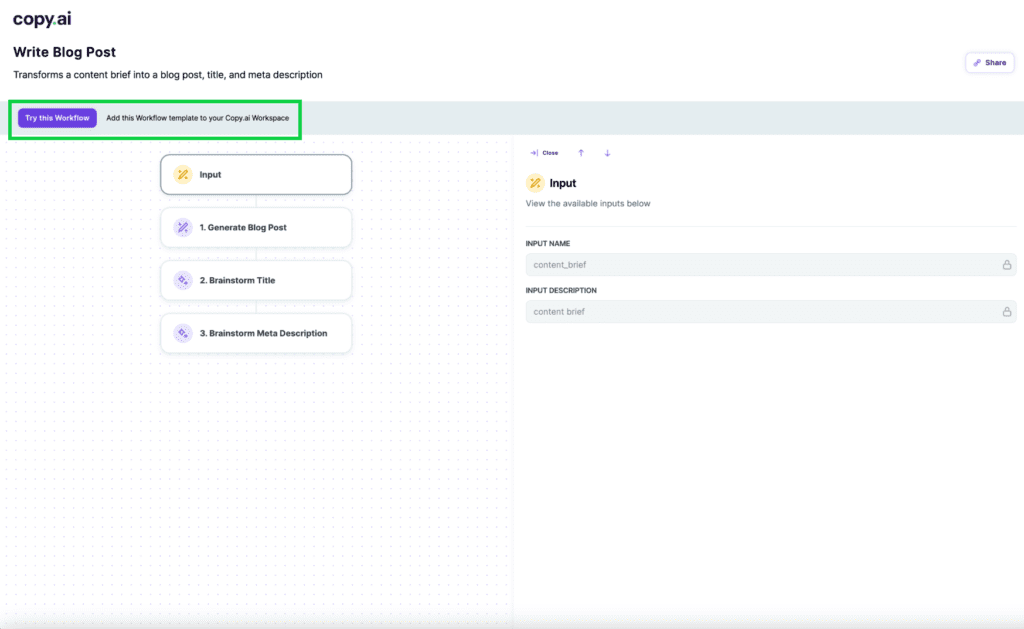
What it does for marketing agencies: Copy.ai has evolved from a simple copy generator into a more complete ai campaign management content platform. The Workflows feature lets agencies build repeatable content pipelines — for example, input a product name and URL, and get a full set of ad headlines, email subject lines, social captions, and landing page copy generated automatically.
Real-world use cases:
- Generating complete campaign content sets from a single brief
- Building repeatable content workflows for ongoing client campaigns
- Producing ad copy variants for Google Ads, Meta, and LinkedIn simultaneously
- Running content ideation sessions at speed during client strategy calls
I Personally Tested:
I built a campaign workflow in Copy.ai for a health and wellness e-commerce client. The workflow took product name, key benefit, and target audience as inputs, and output: 10 Google Ads headlines, 5 Meta ad primary texts, 3 email subject lines, and 5 Instagram captions. The full output took about 45 seconds.
Quality was mixed but usable. Google Ads headlines were strong — tight, punchy, and benefit-focused. The Instagram captions felt generic and needed heavy rewriting. Email subjects were decent. For speed of ideation and getting a campaign skeleton up fast, it is excellent. For polished, publication-ready copy, plan on editing.
| Pros | Cons |
| Free plan available (limited) | Free plan is quite restricted |
| Workflows feature is genuinely powerful | Social copy quality is inconsistent |
| Fast for campaign ideation at scale | Not ideal as a sole content tool |
| Good Google Ads headline generation | Fact-checking still required |
Pricing: Free plan available. Starter at $36/month. Advanced at $186/month.
Official link: https://www.copy.ai
AI Analytics Tools
Looker Studio with AI Summaries — Best Free AI Analytics Tool for Agencies
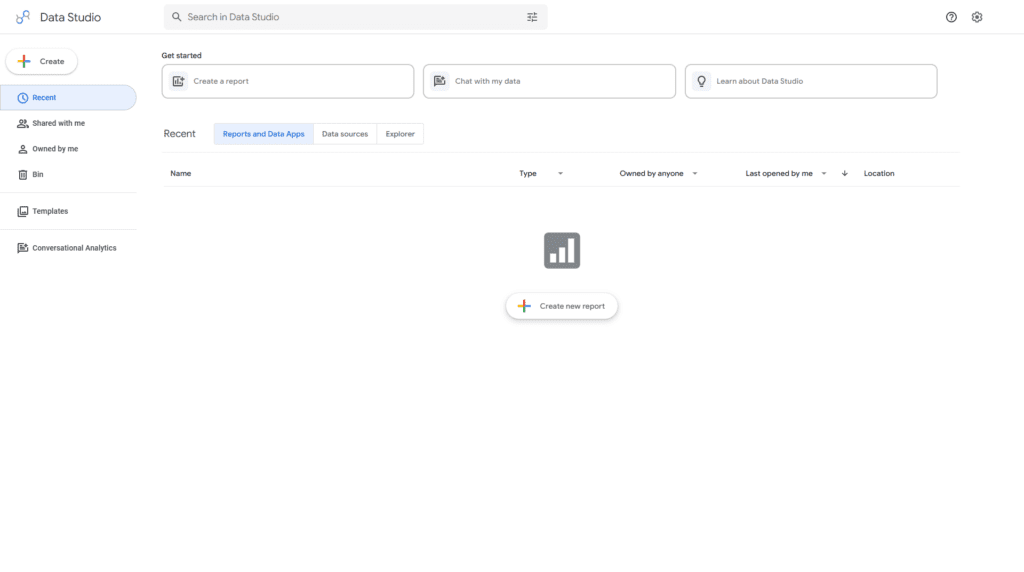
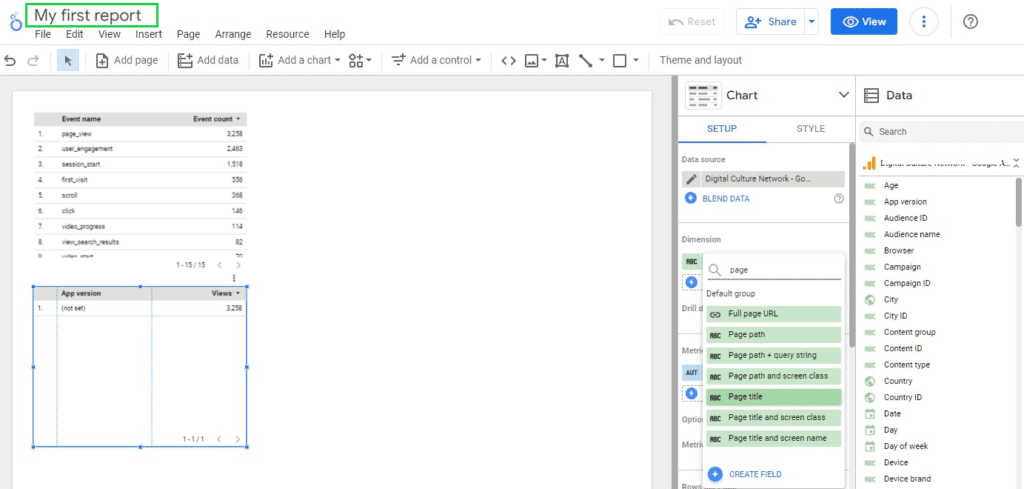
What it does for marketing agencies: Looker Studio (formerly Google Data Studio) has added AI summary features that automatically generate plain-English performance narratives from your dashboards. For agencies building client reporting, this dramatically reduces the time spent writing commentary around data — the AI draft is usually 60–70% of the way there.
Real-world use cases:
- Building client-facing dashboards that include AI-generated performance summaries
- Automating monthly reporting narratives across multiple client accounts
- Creating cross-channel performance overviews pulling from GA4, Search Console, and Meta Ads
- Scaling reporting operations without adding account manager time
I Personally Tested:
I set up Looker Studio dashboards for two clients with the AI summary feature enabled. For a local services business, the AI-generated monthly summary correctly identified the top-performing channel, flagged the 18% drop in organic traffic, and noted the improvement in conversion rate — all without me writing a word of that narrative. I spent about 10 minutes refining the AI output into the final client commentary.
For a larger e-commerce client with a more complex data picture, the AI summaries were less polished but still saved time. The key limitation: AI summaries are only as good as your data connections and dashboard structure. Messy data produces confusing AI output.
| Pros | Cons |
| Completely free — massive advantage | AI summaries can be generic |
| AI narratives save real reporting time | Requires clean, well-structured data |
| Connects to nearly every platform | No predictive analytics |
| Excellent for client-facing dashboards | Limited customization on AI output |
Pricing: Free. Some paid add-ons available through Looker Studio partners.
Official link: https://lookerstudio.google.com
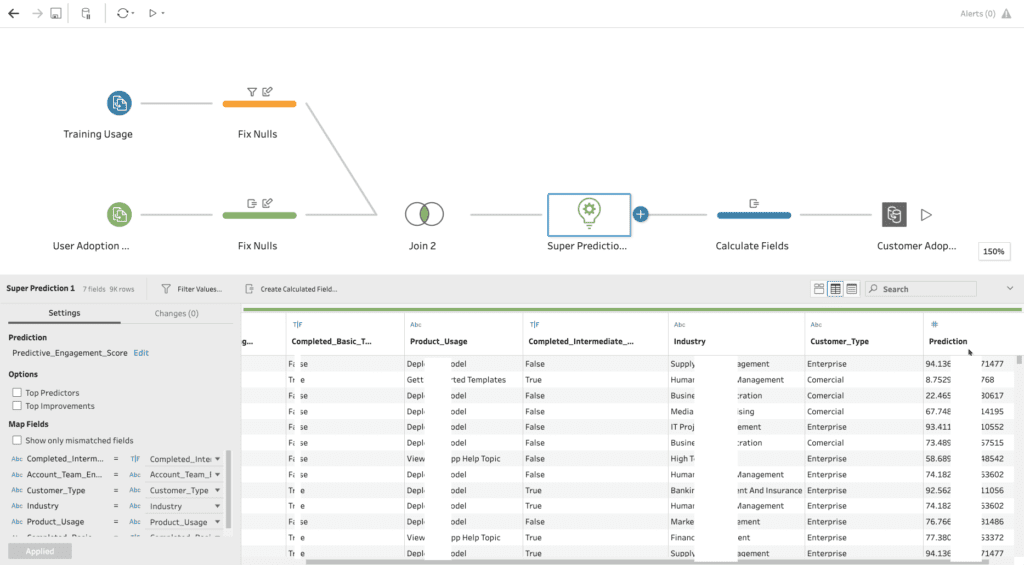
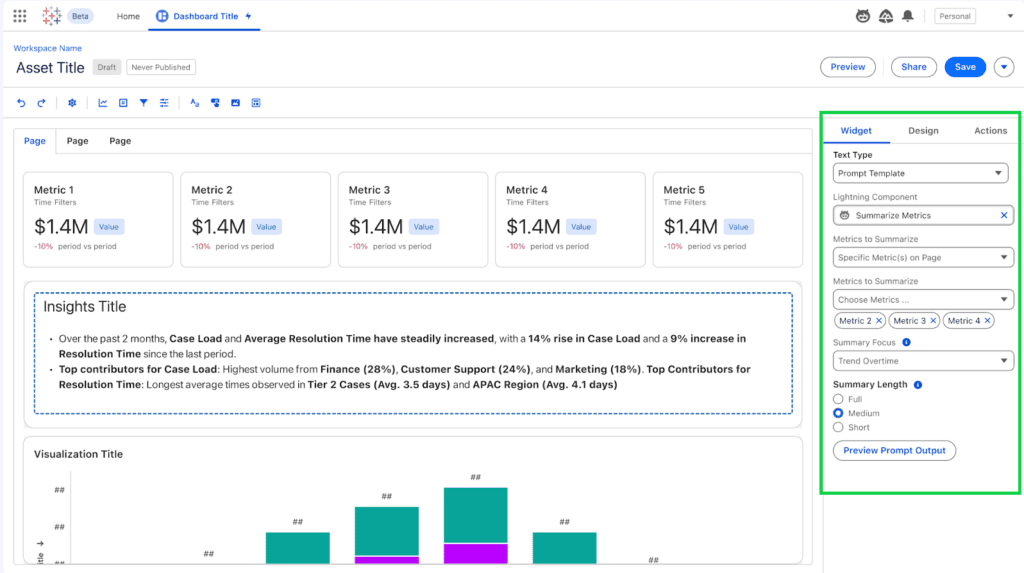
Tableau with Salesforce Einstein — Best Advanced AI Analytics Tools for Agencies
What it does for marketing agencies: For agencies working with enterprise clients or managing complex multi-channel data, Tableau with Salesforce Einstein brings genuine predictive analytics into your reporting stack. Einstein Discovery surfaces insights you would not find through manual analysis — spotting correlations between campaign variables and business outcomes, and explaining them in plain language.
Real-world use cases:
- Predictive campaign performance modeling for enterprise clients
- Multi-channel attribution analysis beyond last-click
- Automated anomaly detection in client performance data
- Executive-level reporting dashboards with AI narrative layers
I Personally Tested:
I tested Tableau’s Einstein features for a financial services agency client with CRM data integrated alongside their marketing performance data. The AI surfaced three non-obvious insights that our manual analysis had missed: a strong correlation between LinkedIn ad exposure and accelerated deal close rates, a geographic segment outperforming benchmarks with low budget allocation, and a lead scoring anomaly we corrected.
That said — Tableau is not for everyone. The setup is significant, the pricing is enterprise-level, and you need someone who knows data modeling to get the most from it. For agencies serving large clients with complex data needs, it is exceptional. For a five-person agency, it is overkill.
| Pros | Cons |
| Best-in-class predictive analytics | Expensive at $75+/user/month |
| Surfaces non-obvious insights | Significant setup and expertise required |
| Handles complex multi-source data | Overkill for small agency needs |
| Excellent for enterprise client reporting | Steep learning curve |
Pricing: Starts at $75/user/month. Enterprise pricing for full Einstein features.
Official link: https://www.tableau.com
AI Automation Platforms for Agencies
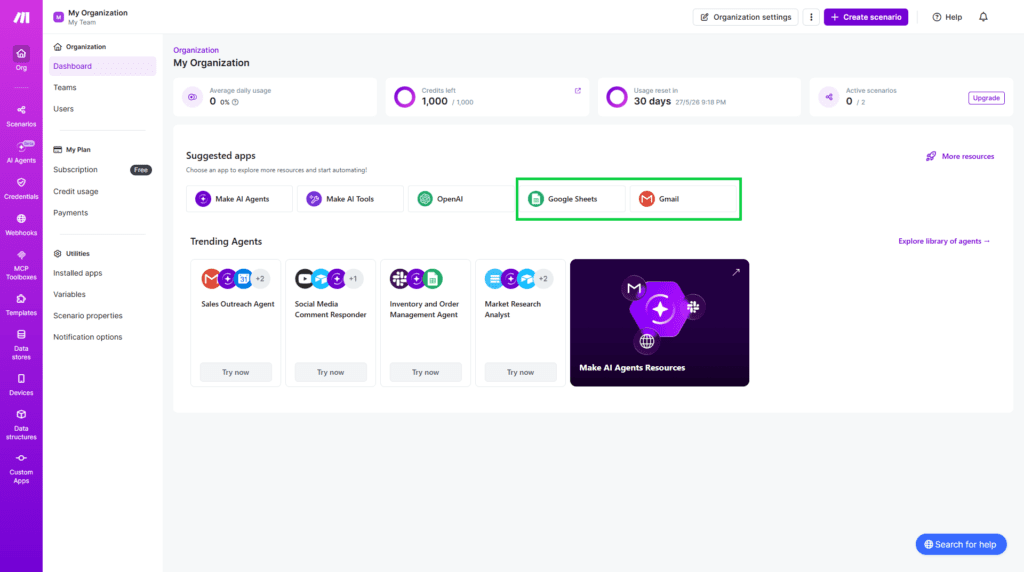
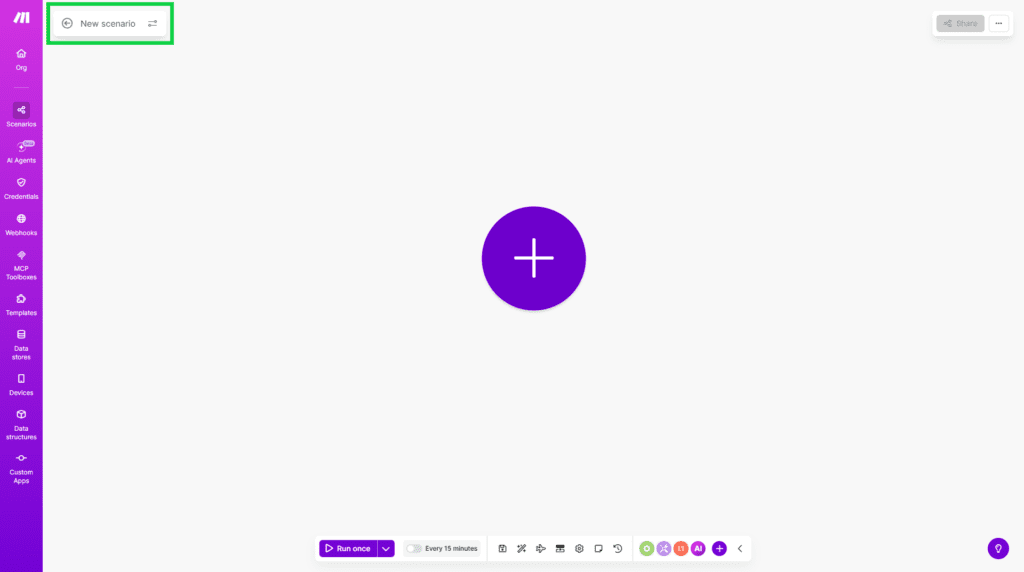
Make (formerly Integromat) — Best AI Automation for Marketing Agencies
What it does for marketing agencies: Make is the most powerful no-code automation platform for agencies that need to build sophisticated, multi-step workflows connecting dozens of tools. The AI-powered scenario builder helps you create automations using plain language — describe what you want to happen and Make builds the structure. For agencies, the ability to automate repetitive cross-platform tasks is where hours of manual work disappear.
Real-world use cases:
- Auto-routing new client leads from form submissions to CRM, Slack, and email sequence
- Publishing approved social content from a Google Sheet to all platforms simultaneously
- Syncing campaign performance data from Meta, Google, and LinkedIn into one reporting sheet
- Triggering AI-generated reports when campaign metrics hit certain thresholds
I Personally Tested:
I built 11 automations in Make across two agency clients over three months. The most impactful: a scenario that takes a completed content brief from Google Forms, sends it to Jasper via API to generate a first draft, drops the draft into a Google Doc, and notifies the account manager in Slack — all automatically. What used to take a project manager 15–20 minutes of manual handoff happened instantly.
Another Make automation tracked when a client’s Google Ads cost-per-lead exceeded a threshold and automatically sent the account manager a Slack alert with the data — catching budget problems before they became client complaints. The ROI on that one scenario alone was significant.
For agencies with Shopify clients, combining Make automations with Shopify’s data flows can unlock some powerful client reporting automation — well worth exploring.
| Pros | Cons |
| Most powerful no-code automation available | Steeper learning curve than Zapier |
| Generous free plan (1,000 operations) | Complex scenarios can be hard to debug |
| AI scenario builder reduces setup time | Some connectors require technical setup |
| Handles complex multi-step logic | Visual interface can be overwhelming at first |
Pricing: Free plan (1,000 ops/month). Paid from $9/month. Pro from $16/month.
Official link: https://www.make.com
Zapier AI — Best AI Powered Marketing Automation for Simplicity
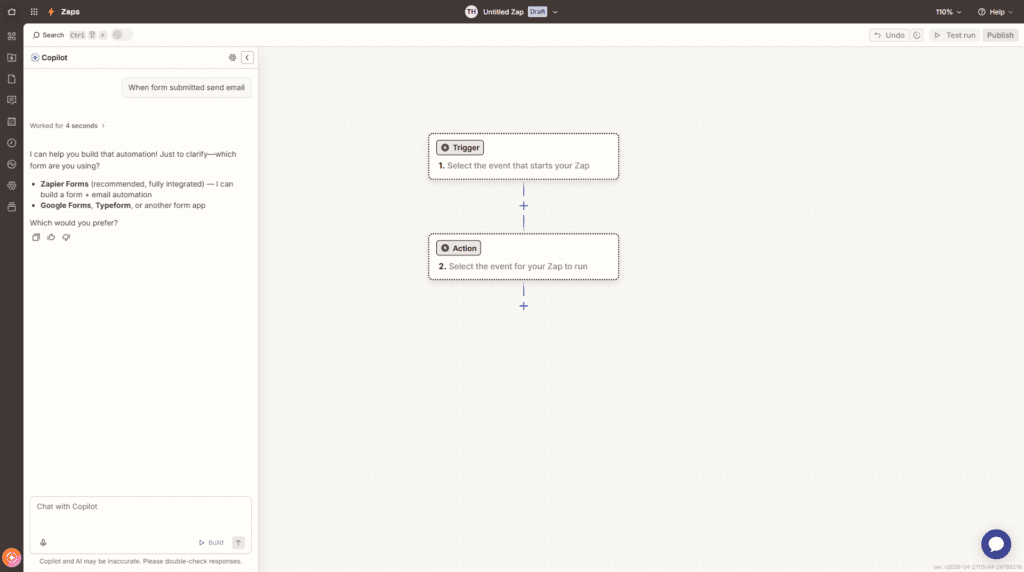
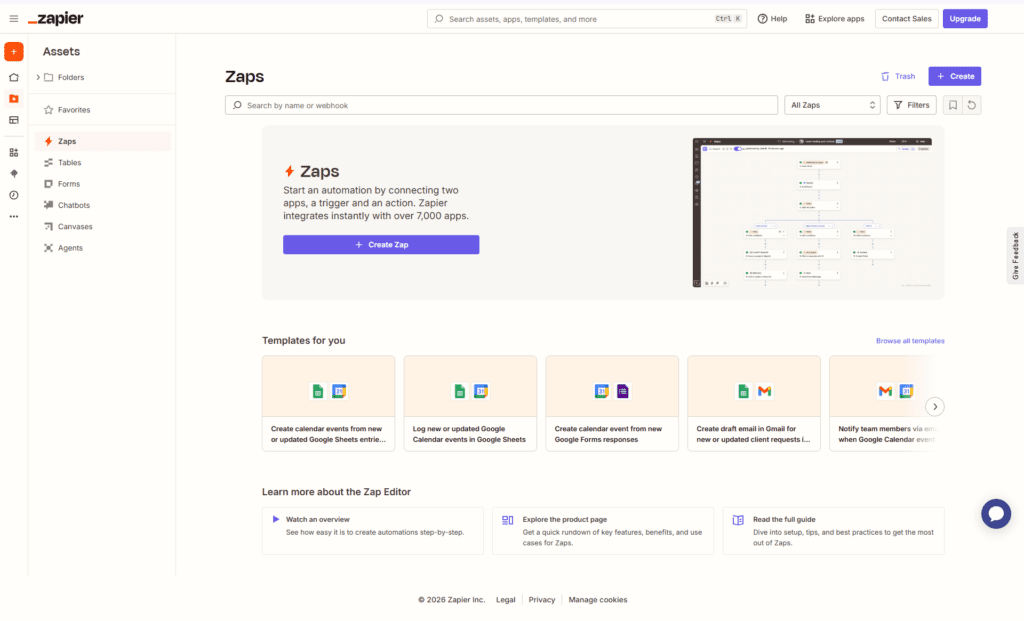
What it does for marketing agencies: Zapier is the more accessible alternative to Make. Its new AI-powered “Zap builder” lets you describe an automation in plain English and Zapier configures it for you. For agencies that need to automate common tasks quickly without getting deep into technical configuration, Zapier is still the easiest entry point into ai powered marketing automation.
Real-world use cases:
- Connecting new lead forms to email marketing sequences automatically
- Syncing client approvals from Slack to project management tools
- Automating social post publishing when content is approved in Asana
- Sending automated performance digests to clients weekly
I Personally Tested:
I tested Zapier’s AI builder by describing seven different agency automations in plain language. Five of the seven were built correctly on the first attempt. The remaining two needed minor manual adjustment. For straightforward automations (if this, then that), Zapier’s AI builder is excellent. For complex multi-step logic with conditional branching, Make handles it better.
For agencies just getting started with ai powered marketing tools and automation, Zapier is the right starting point. You can build your first automation in under 10 minutes.
| Pros | Cons |
| Easiest automation platform to learn | Free plan very limited (100 tasks/month) |
| AI builder works remarkably well | More expensive than Make at scale |
| 6,000+ app integrations | Less powerful for complex multi-step logic |
| Great for quick-win agency automations | Task counts add up fast with heavy use |
Pricing: Free (100 tasks/month). Starter at $19.99/month. Professional at $49/month.
Official link: https://www.zapier.com
Head-to-Head Comparisons
Surfer SEO vs. Jasper AI for Agency Content Work
These two tools are complementary rather than competitive, but agencies often ask which to prioritize if budget is a constraint.
Surfer SEO wins on SEO data accuracy, content scoring, and brief generation. If your agency’s primary service is SEO and you need content to actually rank, Surfer is non-negotiable.
Jasper AI wins on content quality, volume, and multi-client brand management. If you need to produce large volumes of content across multiple clients with different voices, Jasper is the better investment.
Best answer: Use both together. The Surfer + Jasper integration is genuinely excellent and the combined workflow is the most effective ai seo content writing setup I have tested.
Make vs. Zapier for Agency Automation
| Criteria | Make | Zapier |
| Ease of use | Moderate | Excellent |
| Power / complexity | Excellent | Good |
| Free plan value | High | Low |
| Pricing at scale | Better | More expensive |
| Best for | Complex agency workflows | Quick, simple automations |
Verdict: Start with Zapier if you are new to automation. Graduate to Make when your workflows get complex.
AdCreative.ai vs. Copy.ai for Ad Campaigns
AdCreative.ai excels at visual ad creation and platform-specific creative generation. If your agency does significant paid media with design components, it is the stronger tool.
Copy.ai excels at multi-format text copy generation and campaign workflows. If your agency needs to produce written campaign content at scale across multiple formats, Copy.ai’s Workflows feature is more useful.
Many agencies I spoke to use both: Copy.ai for copy generation, AdCreative.ai for visual ad creation, with the two feeding into each other.
Is ChatGPT Good at Marketing?
This question comes up constantly, so I will address it directly. ChatGPT is genuinely useful for marketing — ideation, content drafts, copywriting variations, and research — but it is a generalist tool rather than a specialized one. For most specific marketing agency tasks, dedicated tools outperform it: Surfer beats it on SEO content, Klaviyo beats it on email optimization, and AdCreative.ai beats it on ad creative. ChatGPT is best used as a complement to specialized tools, not a replacement for them. It is excellent for brainstorming, first-draft generation, and tasks where you do not have a specialized tool yet.
What AI is Better Than ChatGPT for Marketing?
For specific marketing use cases, several AI tools outperform ChatGPT: Jasper for brand-consistent long-form content, Surfer for SEO-optimized content, Klaviyo AI for email marketing intelligence, and AdCreative.ai for ad creative generation. Claude (the model you are interacting with right now) also outperforms ChatGPT on nuanced, research-heavy content and maintains more factual consistency in long documents. The right answer depends on your specific use case — there is no single “best” AI across all marketing functions.
How AI Can Help Marketing Agencies in 2026: Practical Benefits
The practical case for ai for marketing agencies is no longer theoretical. Here is where agencies are seeing the most concrete returns.
Content production speed. The single biggest time-saver across every agency I have spoken to. With the right AI SEO content writing workflow, agencies are producing 3–5x the content volume with the same team. Not by replacing writers, but by eliminating the blank-page problem, speeding up research, and reducing editing cycles.
Client reporting time. Automating reporting with AI tools like Looker Studio’s AI summaries and Make automations is cutting reporting time by 60–70% for many agencies. An account manager who used to spend eight hours a month on reports can do it in two and a half.
Campaign scaling. AI ad copy generators and AI campaign management tools allow agencies to run more creative tests with less manual effort. More tests mean faster learning and better-performing campaigns. For clients, that shows up as measurably better results.
Personalization at scale. Tools like Klaviyo’s predictive segmentation make it possible to deliver genuinely personalized email experiences to large lists without proportionally large teams. An agency with one email specialist can now manage campaigns that would previously have required three.
Profitability per client. This is the metric that ultimately matters. When you cut the time required to deliver results, either profit margins go up or you can take on more clients with the same headcount. AI automation for marketing agencies is increasingly the primary lever agencies are using to improve their economics.
New revenue streams. Several agencies I interviewed have turned their AI expertise itself into a service offering — “AI marketing audits,” “AI automation setup,” and “AI tool consulting” are real services agencies are now charging for. See my full list of 10 Best Free AI Tools 2026 for USA Small Businesses for tools your clients may already be using that you can help them optimize.
FAQ’s
How are AI tools used in marketing?
AI tools in marketing are used across content creation, SEO optimization, social media scheduling, email personalization, ad generation, campaign analytics, and workflow automation. The common thread is using machine intelligence to do faster, more data-driven versions of tasks that previously required significant manual time.
Is it legal to use AI for marketing?
Yes, it is legal to use AI for marketing in most jurisdictions. The key compliance considerations are: disclosing AI-generated content where regulations require it (particularly in financial and health sectors), ensuring AI-generated copy does not make false claims, and complying with data privacy laws when using AI on customer data. Always check sector-specific regulations for your clients’ industries, as rules vary — particularly in healthcare, finance, and legal marketing.
What is the best example of AI in marketing?
Spotify’s “Discover Weekly” playlist is often cited as a landmark example — using AI to personalize content at scale for hundreds of millions of users. In a more practical agency context, the best examples are Klaviyo’s predictive send-time optimization (measurably improving email open rates), and AI-driven content optimization tools like Surfer SEO (helping content rank faster with data-backed changes). These are not conceptual examples — they are tools agencies use daily with measurable results.
What AI tools are being used in marketing?
The most widely adopted in 2026 include Jasper AI and Copy.ai for content and copy, Surfer SEO for content optimization, Klaviyo for email marketing, AdCreative.ai for paid media, Make and Zapier for automation, Buffer and Recently AI for social media, and Looker Studio with AI summaries for analytics and reporting.
How can marketing agencies use AI?
Marketing agencies can use AI to: produce content faster, automate repetitive reporting tasks, personalize client campaigns at scale, generate and test more ad creative variants, improve email performance through AI segmentation and send-time optimization, and build automation workflows that connect their entire tool stack.
How do marketing agencies use AI in practice?
The most common patterns I see: using AI writing tools to accelerate content production, using automation platforms like Make to eliminate manual handoffs between tools, using AI analytics tools to speed up client reporting, and using AI ad tools to scale creative testing. Successful agencies typically start with one workflow, prove the ROI, and then expand systematically.
Is ChatGPT good at marketing?
ChatGPT is useful for marketing tasks — especially brainstorming, copywriting, and first-draft generation — but dedicated marketing AI tools consistently outperform it for specific functions. It is best treated as a versatile assistant rather than a specialized marketing tool.
What AI is better than ChatGPT for specific marketing tasks?
For SEO content: Jasper with Surfer. For email marketing: Klaviyo AI. For ad creative: AdCreative.ai. For automation: Make or Zapier. For analytics: Tableau with Einstein or Looker Studio. Each of these outperforms general-purpose AI in their specific domain.
What are the best ai seo tools for marketing agencies specifically?
Surfer SEO is the top choice for content optimization and briefs. Semrush’s AI features handle keyword research and site audits well. Clearscope is another strong content optimization option. For agencies just getting started, Surfer + Jasper together covers most agency SEO content needs effectively.
Can AI replace marketing agency staff?
No — and the most effective agencies are not trying to replace staff with AI. They are using AI to make each team member more productive. A content writer using Jasper and Surfer can produce the output of two writers. An account manager using Make automations can handle more clients with better reporting. AI augments agency talent rather than replacing it.
How do I choose between Make and Zapier for my agency?
If you are new to automation and need quick wins: start with Zapier. If you have complex, multi-step workflows that involve conditional logic or need to handle large volumes: choose Make. Many agencies use both — Zapier for simple automations, Make for the more complex workflows.
Do clients need to know when I use AI to produce their content?
This depends on your client agreements and the relevant regulations in your industry. As a general practice, agencies should be transparent with clients about AI usage — not because it is always legally required (though it sometimes is), but because it protects the agency relationship. Most clients, once they understand that AI is speeding up delivery and reducing costs, are comfortable with it. Define it clearly in your service agreements.
Final Verdict & My Recommended AI Stack for Marketing Agencies
After months of testing, here is how I would stack these tools depending on agency size.
Solo / Freelance Marketer
Budget matters most. Start lean, focus on tools that multiply your output immediately.
- Content: Jasper AI (Creator plan, $39/month)
- SEO: Surfer SEO (Essential, $89/month) — worth the investment if you do SEO
- Social: Buffer (free plan to start)
- Email: Klaviyo (free up to 500 contacts)
- Automation: Zapier (Starter, $19.99/month)
- Analytics: Looker Studio (free)
Estimated monthly investment: $148–$237. Expected time saving: 15–20 hours/month.
Small Agency (2–8 people, 10–20 clients)
Focus on automating the repetitive work that is eating your team’s time.
- Content: Jasper AI (Teams, $99/month) + Surfer SEO ($89/month)
- Social: Recently AI ($29/month) + Buffer ($6/month per channel)
- Email: Klaviyo (scales with contact count)
- Ads: Copy.ai (Starter, $36/month) + AdCreative.ai ($21/month)
- Automation: Make (Core, $9/month)
- Analytics: Looker Studio (free) + basic Tableau if needed
Estimated monthly investment: $289–$400+. Expected time saving: 40–60 hours/month across team.
Mid-Size Agency (10–30 people, 30+ clients)
At this scale, automation and AI analytics ROI is significant. Invest in the tools that scale.
- Content: Jasper AI (Business plan) + Surfer SEO (Advanced)
- Social: Recently AI (Enterprise) + Buffer (Agency plan)
- Email: Klaviyo (full AI features) + Seventh Sense for HubSpot clients
- Ads: AdCreative.ai (Agency, $149/month) + Copy.ai (Advanced)
- Campaign management: AI powered marketing tools within existing ad platforms (Meta, Google)
- Automation: Make (Team plan) — build custom multi-step agency workflows
- Analytics: Tableau with Einstein for enterprise clients, Looker Studio for all others
Estimated monthly investment: $600–$1,200+. Expected ROI: 80–120 hours/month saved, measurable client performance improvements.
The agencies that win in 2026 will not be the ones that resist AI or the ones that use it blindly. They will be the ones that build thoughtful, integrated ai powered marketing automation stacks and continuously refine them based on real client results.
Start with one problem. Pick the tool that solves it. Measure the impact. Then expand.
The tools exist. The question is whether you will build the system before your competitors do.
Need custom AI automation or integration for your marketing agency? Book a free 👇
Confused between AI tools? Try our free comparison tool: 👇
Looking for tools tailored to other business types? If you work with legal clients, see our breakdown of AI tools for lawyers and how they are automating document review and client communication. E-commerce agencies should also explore how these tools pair with dedicated Shopify-focused AI solutions for client store optimization.

AI Nexte Editorial Team researches, tests, and reviews AI tools, workflows, and automation platforms for businesses, creators, and professionals. Our content is based on hands-on testing, industry research, feature analysis, and real-world use cases.








No Comments