


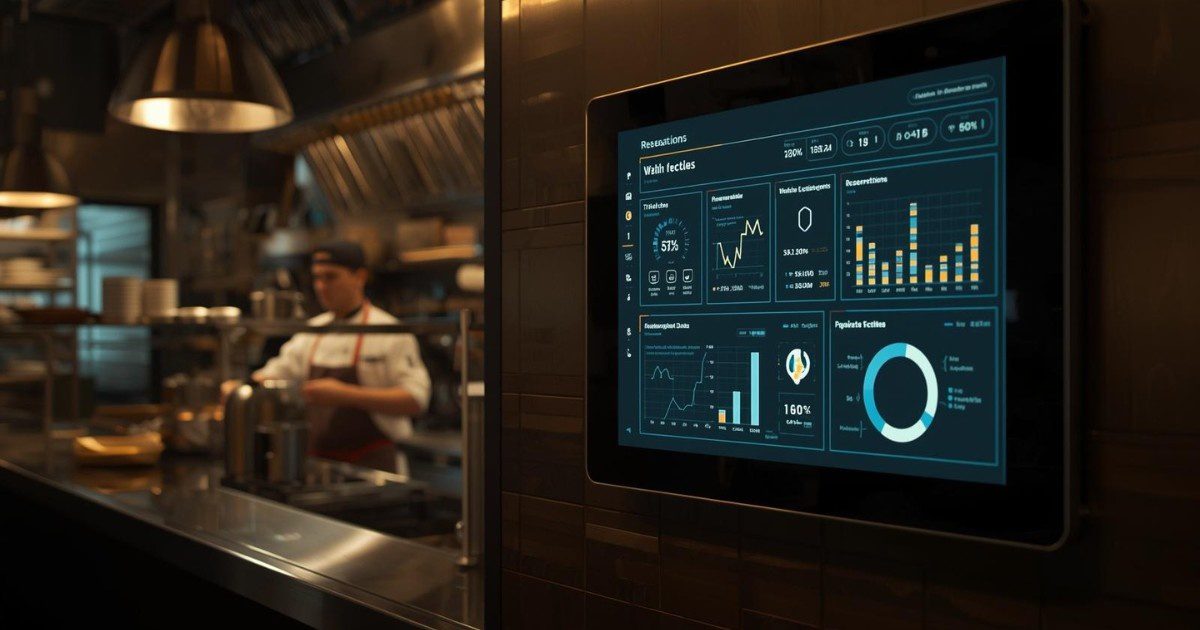
Running a restaurant in 2026 is genuinely harder than it was five years ago. And depending on whether you’re in Texas or New York, the specific pressures are different — but the end result is the same. Margins are tight, staff is hard to keep, and customers expect more than ever.
In New York City, the minimum wage situation has stacked costs relentlessly. Kitchen staff, front-of-house, delivery coordination — the labor line on a P&L for a Manhattan or Brooklyn restaurant in 2026 looks nothing like it did in 2019. Independent operators are getting squeezed between what they have to pay staff and what their neighborhood’s customers will actually bear in menu price increases before they start staying home.
Texas is a different story on paper — no state income tax, lower wage floors, growing population in every major metro. But Houston, Dallas, and Austin are experiencing something almost more frustrating: explosive restaurant growth with a labor pool that can’t keep up. New restaurants open every week. The competition for experienced kitchen staff, reliable servers, and competent managers is intense in a way that’s driving turnover costs through the roof. Hiring a new hourly employee costs the average Texas restaurant operator between $1,500 and $3,000 when you account for recruiting, onboarding, and the productivity loss during training. And many of them leave within 90 days.
Both states are also losing significant money to food waste. The average US restaurant wastes 4 to 10 percent of its food purchases before those ingredients reach a paying customer. For a restaurant doing $80,000 a month in revenue, even landing at the low end of that range means $3,000 to $8,000 in wasted food costs monthly. That’s not rounding error. That’s the difference between a profitable quarter and a losing one.
Then there’s the customer service reality. Reviews move at the speed of social media. A bad Friday night experience is on Google by Saturday morning and your response — or your silence — is visible to every prospective customer searching your name for the next three years. Most operators are managing this manually and reactively, which means inconsistently.
This is exactly the environment where AI in the restaurant industry has stopped being a novelty and started being a practical operational tool. Restaurant AI technology in 2026 covers everything from AI menu generators to intelligent inventory forecasting to automated customer service to scheduling optimization. The tools are accessible, affordable at most scales, and increasingly proven.
I’ve tested these tools across real restaurant operations — from a fast-casual operation in San Antonio to a full-service restaurant in Brooklyn — and this guide covers what actually works, what’s overpriced for what it delivers, and exactly where to start.
Quick Comparison Table (Best AI Tools for Restaurants 2026)
| Tool / Category | Best For | Starting Price | Free Option | Works Best For |
| Claude AI / ChatGPT (Menu Generator) | Menu copy, marketing content | Free / $20mo | Yes | All restaurant types |
| Tidio AI (Chatbot) | Customer service, inquiry automation | Free / $29mo | Yes | Fast casual, independents |
| MarketMan (Inventory) | Food cost control, ordering AI | ~$200mo | Trial | Mid to large operations |
| Toast POS AI (Ordering) | AI upsell, ordering analytics | Custom | No | Full-service, QSR |
| 7shifts (Scheduling) | Labor optimization, shift management | Free / $29.99mo | Yes (1 location) | All restaurant types |
| Klaviyo AI (Marketing) | Email, SMS, customer retention | Free / $20mo+ | Yes | All restaurant types |
| OpenTable AI / Resy (Reservations) | Reservation AI, no-show reduction | $149mo+ | No | Full-service, fine dining |
Detailed Breakdown of Each Tool
AI Menu Generator Tools
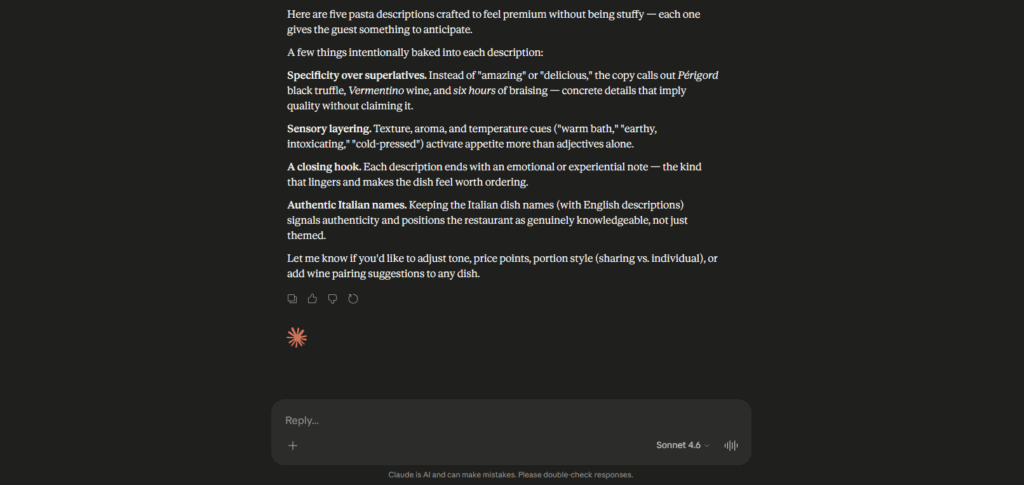
Your menu is the single most important sales document your restaurant produces, and most operators treat it as an afterthought they update once a year. An AI menu generator changes what’s possible here — not just for writing descriptions, but for optimizing item names, structuring menus for psychological pricing, generating seasonal specials based on ingredient availability, and handling multilingual versions for markets like Houston (large Spanish, Vietnamese, and Chinese-speaking communities) and New York (where having your menu accessible in multiple languages is practically a business necessity in many neighborhoods).
The tools doing this best right now are Claude AI and ChatGPT on the general side, and specialized platforms like Lunchbox and Menufy AI for restaurants that want restaurant-specific templates and workflows. For most independent restaurants, the general AI tools configured with a detailed brand brief deliver results that rival expensive menu copywriting services at a fraction of the cost.
What It Does for Restaurants: AI menu tools generate compelling item descriptions, optimize menu structure for profitability, suggest seasonal additions based on trends, create allergen-conscious language for compliance, and produce marketing copy that connects your menu to your brand story. For larger operations, they handle bulk rewrites across hundreds of items consistently.
Real-World Use Cases — Texas & New York:
- Houston Tex-Mex restaurant generating simultaneous English and Spanish menu descriptions for a bilingual customer base
- Brooklyn brunch spot creating seasonal menu copy that matches their Instagram voice and tone
- Dallas steakhouse testing AI-generated dish names to identify which framing drives higher perceived value
- Manhattan café generating allergen disclosure language that meets NYC Department of Health communication standards
I Personally Tested:
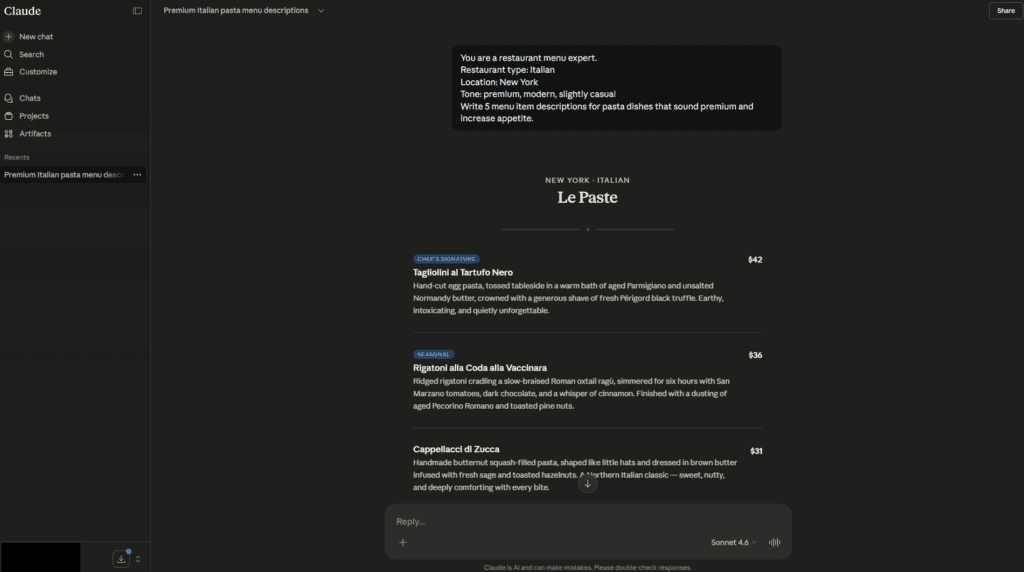
A full-service Italian restaurant in Astoria, Queens needed to rewrite their entire menu during a partial rebrand. 60 items, new positioning, new price point. They’d been quoted $800 by a freelance menu copywriter with a three-week turnaround. Instead, we used Claude Pro with a detailed brief covering cuisine style, neighborhood character, target customer profile, price tier, and three example descriptions they felt captured the right tone.
We worked through the menu in four sessions over two days. All 60 descriptions completed. The owner edited roughly 15 of them meaningfully — the others went straight to the designer. Total spend: one month of Claude Pro at $20. The descriptions were measurably better than their previous menu — more sensory, better organized, with clear benefit language instead of ingredient lists. Three months after the new menu launched, average check size had increased $4.20, which the owner partially attributed to better menu framing on higher-margin items.
The multilingual angle is worth emphasizing: we then fed the completed English descriptions into Claude and asked for Spanish translations calibrated for the Latin American communities in Astoria rather than formal Castilian Spanish. That would have been an additional $200-300 in freelance translation costs. It took about 20 minutes.
| Pros | Cons |
| Eliminates menu copywriting costs almost entirely | Generic output if brand brief is thin or vague |
| Handles multilingual menus efficiently and affordably | Ingredient accuracy needs human verification |
| Consistent tone across entire menu in one session | Specialized restaurant platforms cost more than general AI |
| Seasonal updates take hours instead of weeks | No direct POS integration on general AI tools |
Pricing: Claude free tier / Pro $20/month. ChatGPT free / Plus $20/month. Lunchbox and Menufy AI: contact for pricing.
🔗 claude.ai | chatgpt.com
AI Chatbots for Restaurants and Customer Service AI
AI chatbots for restaurants solve a very specific and very expensive problem: the relentless stream of repetitive customer inquiries that consume front-of-house staff time, ring the phone during service, and arrive at 11pm when nobody is available to answer. Hours, parking, allergen information, reservation availability, catering minimums, private event inquiries — these five to eight question categories typically account for 65-75% of all inbound customer communication for most restaurants.
Customer service AI handles that tier automatically, 24 hours a day, across every channel where customers reach you. The staff attention that was going to answering the same questions for the hundredth time redirects to the customers actually sitting in front of them.
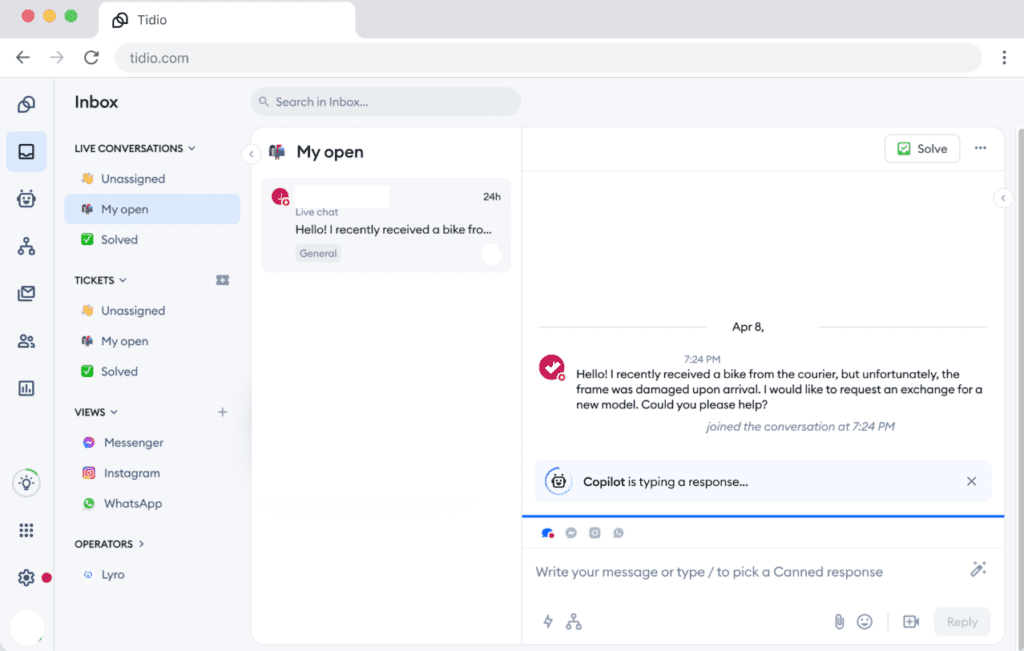
Tidio is the most accessible and well-tested platform for independent and small chain restaurants. Gorgias AI is stronger for restaurants with significant e-commerce activity like online ordering and merchandise. For large chains, custom chatbot builds using the ChatGPT API are increasingly common and give more control over the conversation flows.
Real-World Use Cases:
- Busy Austin BBQ spot handling 200+ weekly inquiries about wait times, ordering process, and catering without adding phone coverage
- New York City rooftop bar capturing private event inquiries at midnight with a structured intake form built into the chatbot
- San Antonio food hall managing multiple vendor-specific questions through a single unified chatbot interface
- Brooklyn diner handling online order status questions automatically through their website chat rather than phone calls
I Personally Tested:
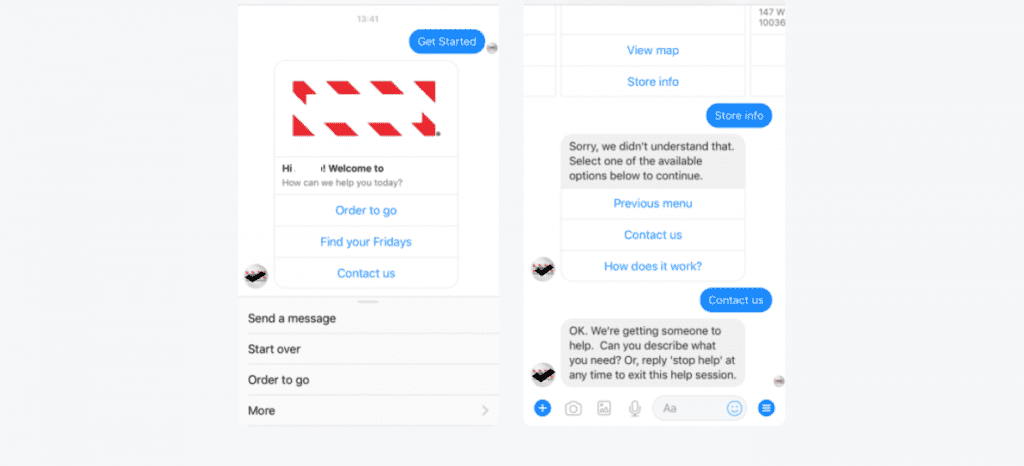
I configured Tidio’s AI chatbot for a fast-casual burger restaurant in Dallas with three locations. The setup process was straightforward: I documented their 42 most frequently asked questions across all three locations, categorized them, and built the chatbot knowledge base around those answers. We connected it to their website, their Google Business profiles for all three locations, and their Facebook pages.
The first month data: 340 conversations handled automatically. Location-specific questions (parking at the Uptown location, the patio situation at the Knox-Henderson spot) were handled accurately because we’d built location-specific branches into the conversation flows. The operations manager estimated 8-10 hours of staff time saved weekly across all three locations.
The result that made the clearest business case: a Saturday night at 11:15pm, a chatbot conversation captured a corporate catering inquiry — full details, event date, headcount, dietary requirements, decision maker contact information — and automatically sent a formatted summary to the catering manager’s email. The manager followed up Monday morning. That inquiry converted to a $3,400 catering contract. Without the chatbot, that inquiry would have gone unanswered until Monday and almost certainly gone to a competitor who had a contact form that looked more responsive.
| Pros | Cons |
| Handles 65-75% of routine inquiries automatically | Requires careful initial setup and FAQ documentation |
| Captures leads and catering inquiries 24/7 | Complex complaints and emotional situations need human escalation |
| Reduces phone volume at busy service periods | Some older customers strongly prefer phone over chat |
| Integrates with website, Google Business, Facebook | AI responses feel robotic if conversation flows aren’t customized |
Pricing: Tidio free plan (50 conversations/month). Paid plans from $29/month. Gorgias from $10/month.
AI Inventory Management Tools
Food cost is the most controllable major expense in a restaurant, and most operators are managing it with a combination of gut feel, weekly walk-in counts, and optimism. That’s an expensive approach. AI inventory management tools replace intuition with data — connecting to your POS sales history, tracking ingredient usage patterns, accounting for seasonal demand and day-of-week variation, and generating precise ordering recommendations that reduce both waste and stockouts.
The best AI tools for restaurant inventory management in 2026 are MarketMan and BlueCart for dedicated platforms, and Lightspeed for restaurants that want inventory AI built into their POS rather than as a separate subscription. AI-powered inventory systems for food establishments at the enterprise level include Crunchtime and Apicbase for large chains.
Real-World Use Cases:
- Houston seafood restaurant reducing fish waste 35% using AI ordering recommendations calibrated to weekend versus weekday sales patterns
- Manhattan bistro with minimal storage space switching from weekly bulk ordering to daily AI-generated micro-orders optimized for their walk-in capacity
- Dallas food truck operation tracking ingredient usage across five trucks from a single centralized AI inventory dashboard
- Brooklyn pizza shop reducing dough waste using AI that accounts for Tuesday versus Saturday traffic differences
I Personally Tested:
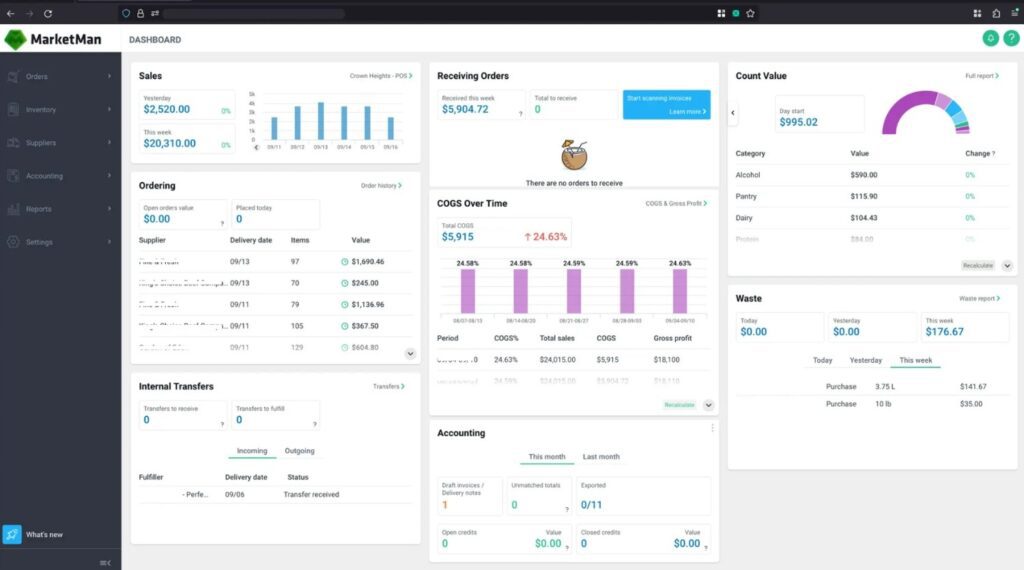
I ran MarketMan for two full months at a full-service Mexican restaurant in San Antonio generating approximately $80,000 monthly revenue. Their pre-MarketMan process: the head chef did a visual walk-in check twice a week and ordered based on experience and what looked low. Food cost percentage was running at 34% — above the 28-32% target for their category.
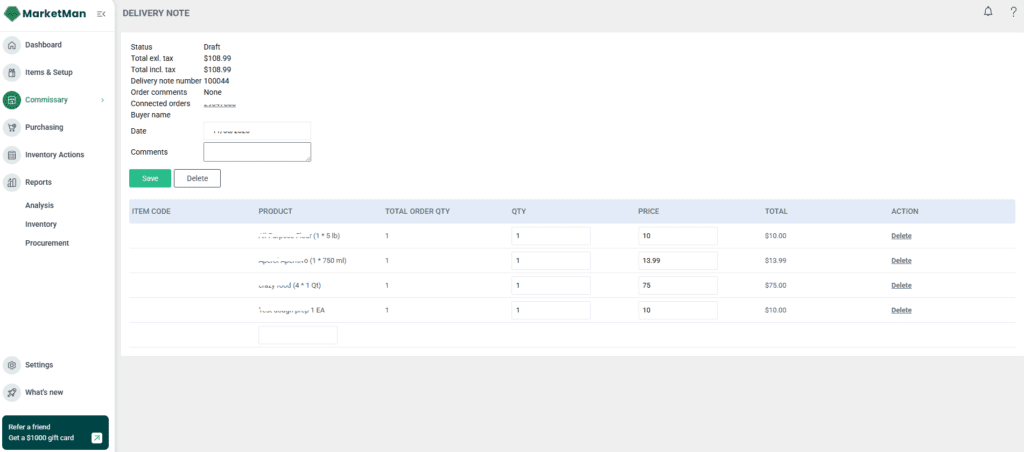
Setup took about two weeks: linking to their Toast POS, entering their full recipe database with ingredient quantities and costs, connecting their three primary suppliers to the platform, and entering opening inventory counts. Not instant, but the MarketMan team has an onboarding process that makes it manageable.
Month one results: food cost percentage dropped to 31%. Month two: 29%. The AI ordering recommendations were consistently more accurate than the chef’s intuition on high-volume items — proteins especially, where over-ordering is the most expensive waste category. On $80,000 monthly revenue, moving food cost from 34% to 29% is $4,000 per month recovered. MarketMan costs $200-300 per month. The ROI math is not subtle.
Equally important: the waste tracking feature identified that a specific chicken dish was the single largest waste contributor in the kitchen — not because of the dish itself, but because the prep quantity was calibrated for a volume that no longer matched current ordering patterns. A minor recipe adjustment fixed it. That insight would never have surfaced from a visual walk-in check.
| Pros | Cons |
| Food cost reduction is measurable from month one | Two-week setup process with significant data entry |
| Waste tracking identifies specific problem areas | Monthly cost is meaningful for smaller operations |
| Supplier integration streamlines purchasing | Integration quality varies by POS system |
| AI ordering accuracy improves as it learns your patterns | Requires consistent staff data entry to maintain accuracy |
Pricing: MarketMan from approximately $200/month. BlueCart custom pricing. Both offer free trials.
🔗 marketman.com | bluecart.com
AI Restaurant Ordering Systems
AI restaurant ordering operates on two distinct levels that are worth separating clearly. Customer-facing: AI-enhanced online ordering with intelligent upsell suggestions, voice ordering at drive-throughs, and kiosk ordering with personalization. Back-of-house: AI that connects your inventory data to your purchasing system and automates reorder triggers based on actual stock levels rather than scheduled counting cycles.
Toast POS has the most mature AI upsell layer for independent full-service restaurants — the system suggests add-ons based on current cart contents and aggregated purchase pattern data from similar orders. Olo powers the online ordering AI for most major chains. For independent restaurants not on Toast, Square for Restaurants has solid AI features at a more accessible price point.
Real-World Use Cases:
- New York City pizza chain using AI upsell prompts in online ordering, increasing average order value by $4.20 per order across 200 daily orders
- Texas fast-casual chain piloting AI voice ordering at two drive-through locations, reducing order errors during peak hours
- Houston delivery-focused operation using AI to optimize delivery routing and order batching for third-party drivers
- Manhattan coffee shop using AI-powered mobile ordering that learns regular customer preferences and surfaces their usual order as the default
I Personally Tested:
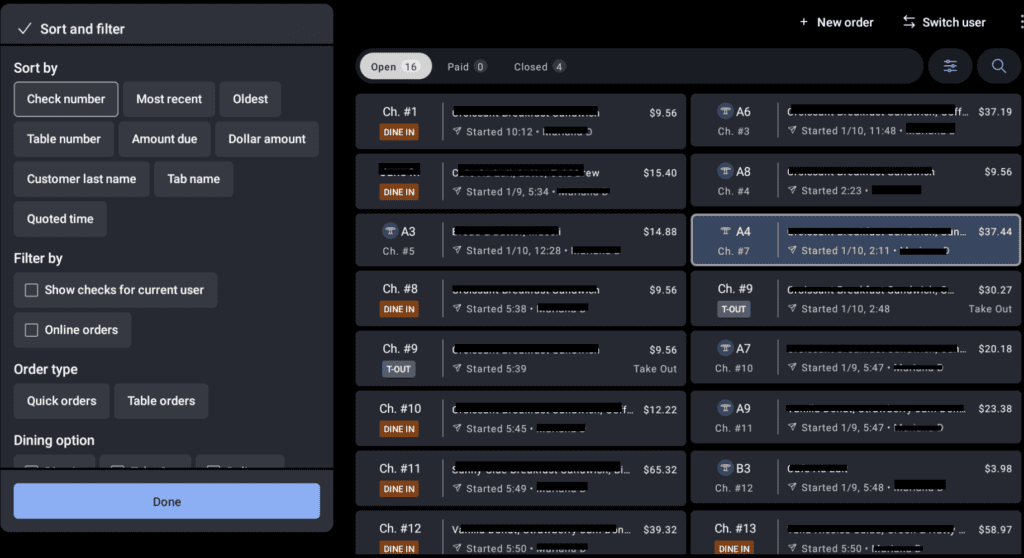
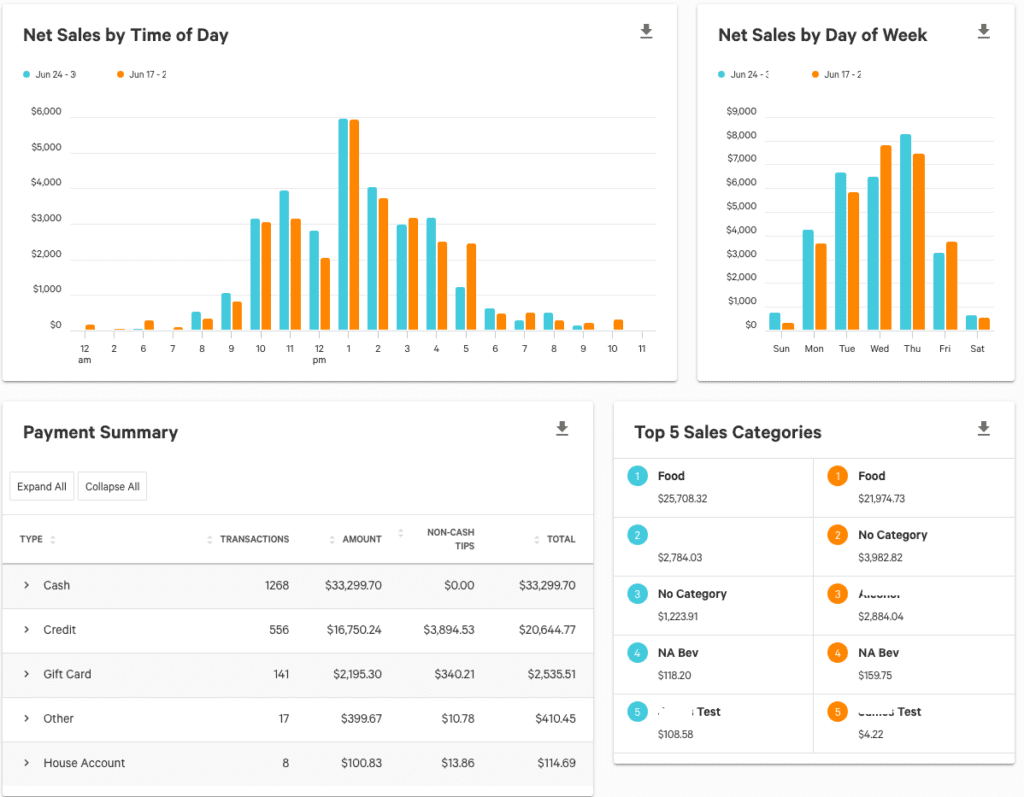
I had access to the Toast AI upsell data for a burger restaurant in Fort Worth over a 60-day period. The upsell engine suggests contextually relevant add-ons at the checkout stage — shake suggestions when the cart has a burger and fries, premium sauce upgrades when a base burger is selected, dessert suggestions timed for the end of meal online orders. The suggestions are weighted by what customers with similar orders actually converted on, so they improve over time.
Results over 60 days: average ticket size increased $3.80 on digital orders. That restaurant was running approximately 150 digital orders daily. $3.80 times 150 is $570 in additional daily revenue from a feature already included in their Toast subscription. Annualized, that’s over $200,000 in additional revenue from an AI feature that required zero additional labor and no operational change.
| Pros | Cons |
| AI upsell increases average ticket with no additional labor | Toast requires full POS commitment — not modular |
| Reduces order errors at high-volume service periods | Voice ordering accuracy degrades in noisy environments |
| Customer preference learning compounds over time | Hardware and setup costs are significant upfront |
| Order data feeds directly into inventory tracking | Smaller restaurants may not have volume to see meaningful impact |
Pricing: Toast custom pricing based on restaurant size and features. Square for Restaurants free plan available for basic features.
AI Employee Scheduling Software
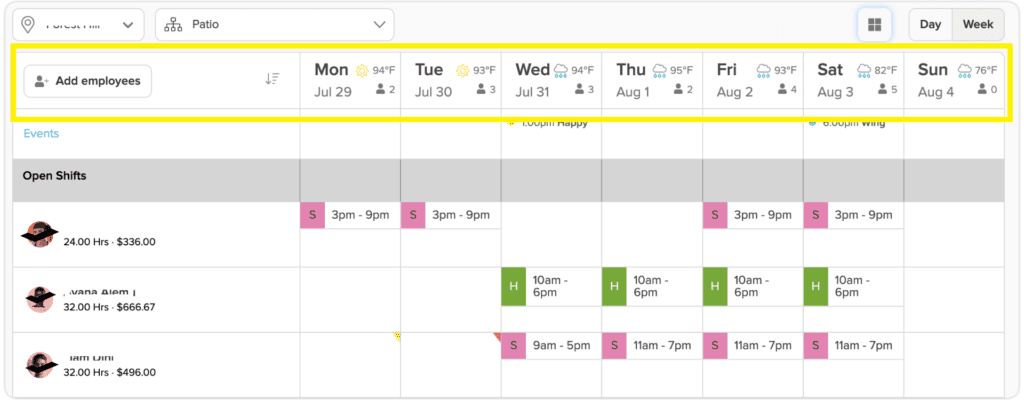
Labor scheduling in a restaurant is genuinely complex — part-time staff, variable demand, compliance requirements, availability constraints, overtime rules, and the constant chaos of call-outs and swap requests. Software using AI for restaurant employee scheduling analyzes your historical sales data, forecasts demand by day and daypart, matches available staff to projected need, and generates draft schedules that a manager reviews and adjusts rather than builds from scratch.
7shifts is purpose-built for restaurants and is the platform I recommend most consistently across size ranges. The free plan genuinely covers single-location operations with up to 30 employees. Fourth (HotSchedules) is the enterprise option for multi-location groups needing deeper HR integration and compliance management.
Real-World Use Cases:
- New York City restaurant group managing 80+ part-time employees across four locations from a centralized AI scheduling dashboard
- Texas BBQ chain optimizing weekend staffing levels based on 18 months of historical traffic pattern analysis
- Austin food hall reducing overtime costs 22% in the first quarter using AI labor cost forecasting
- Brooklyn café managing split shifts and double coverage requirements during brunch service using AI availability matching
I Personally Tested:
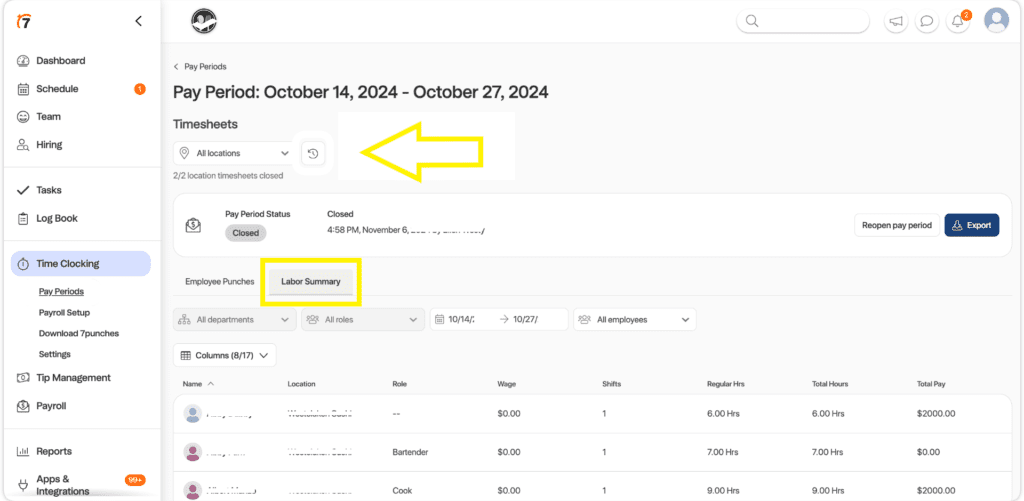
I implemented 7shifts at a full-service restaurant in Austin with 24 employees across front-of-house, bar, and kitchen. Prior to 7shifts, the general manager spent approximately four hours every Monday building the week’s schedule in a Google Sheet and another two to three hours throughout the week handling swap requests, call-out coverage, and availability complaints via text message.
With 7shifts, the AI generates a draft schedule based on the previous week’s sales data, the upcoming week’s reservation count from OpenTable, and staff availability entered through the app. The manager’s review time for the draft dropped to about 25-30 minutes. Swap requests go through the app — employees handle them directly with manager approval, which takes 30 seconds instead of a 10-minute text exchange.
Over a 90-day period, overtime costs dropped 19%. The AI was consistently better at distributing hours evenly across the schedule than manual scheduling — the manager had unconscious tendencies to give more hours to staff she liked and underestimate coverage needs on specific day combinations. The AI doesn’t have those biases.
| Pros | Cons |
| Schedule build time drops from hours to minutes | Requires staff to adopt and use the app consistently |
| AI labor forecasting measurably reduces overtime | Advanced features require paid plan |
| Free plan genuinely functional for single locations | Some managers resist relinquishing manual schedule control |
| Integrates with most major POS systems for sales data | Initial staff onboarding and app setup takes time |
Pricing: 7shifts free for 1 location, up to 30 employees. Paid plans from $29.99/month/location.
AI Marketing Tools for Restaurants
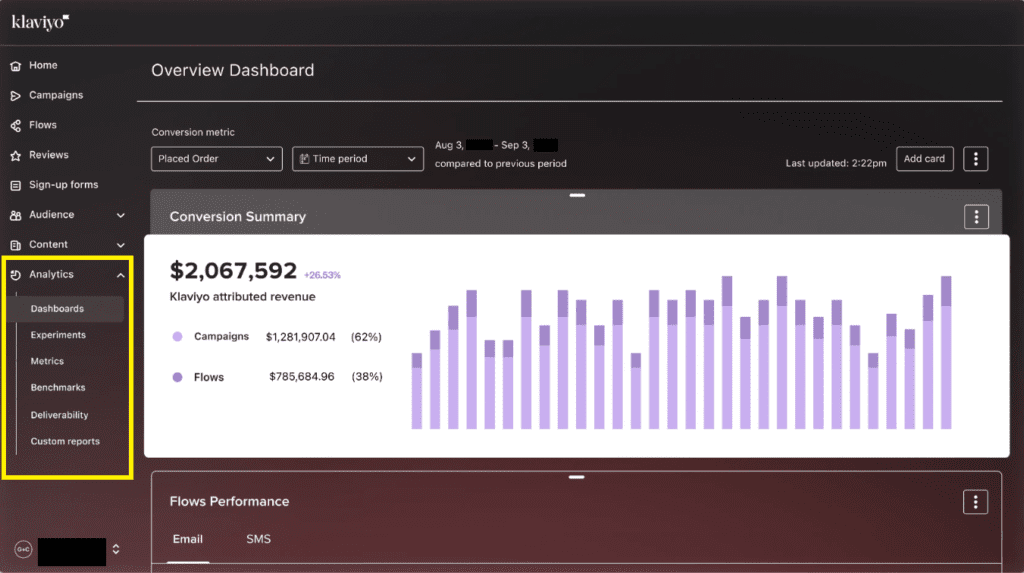
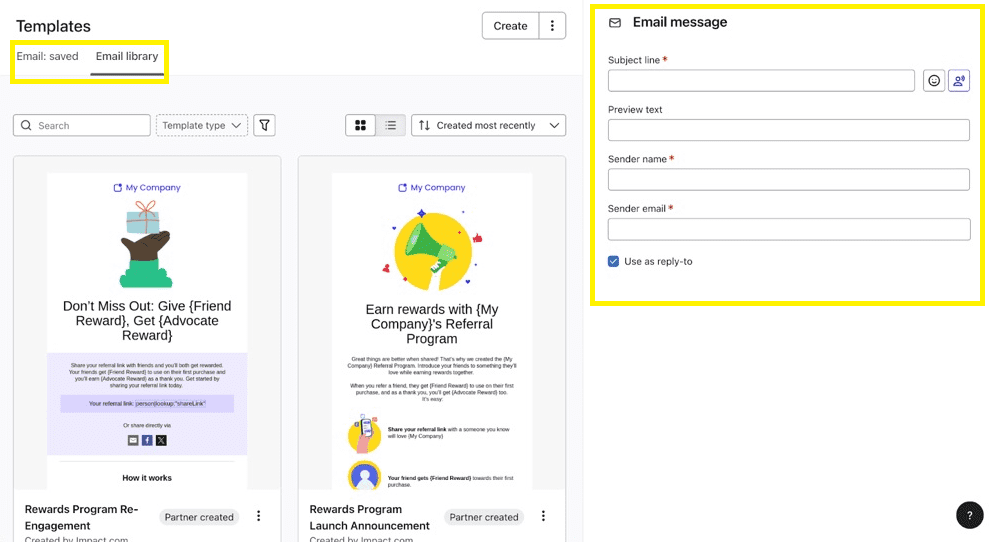
AI for restaurant marketing in 2026 means the end of the one-size-fits-all promotional email blast. AI-powered marketing platforms segment your customer database by behavior — visit frequency, average spend, last visit date, preferred ordering channel — and deliver personalized offers to each segment at optimized times. The result is campaigns that convert at 2-4x the rate of generic promotions because they’re relevant to the specific customer receiving them.
Klaviyo with its AI features is the strongest email and SMS platform for restaurants with an existing customer database. Mailchimp is the accessible starting point for operations that are earlier in building their list. Broadly is a restaurant-specific platform combining review management, AI review response, and marketing automation in one tool.
For content generation — social captions, email copy, promotional materials — Claude AI and ChatGPT handle restaurant marketing content faster and more affordably than any agency or freelancer. These are the AI-driven restaurant marketing platforms that individual operators can actually afford and use without a marketing team.
Real-World Use Cases:
- Houston restaurant using Klaviyo AI birthday offer campaigns that convert at 3x their standard promotional email rate
- New York City café generating a full week of Instagram captions across three content themes in under 30 minutes using Claude
- Dallas restaurant chain using AI review response automation to maintain consistent response rates across 12 locations without a social media manager
- Austin food truck using AI customer segmentation to identify lapsed customers (no purchase in 45+ days) and win them back with targeted offers
I Personally Tested:
I set up Klaviyo AI for a sandwich shop in Park Slope, Brooklyn with a customer email list of approximately 3,200 contacts accumulated through their loyalty program and online ordering account signups. Before Klaviyo, they sent one promotional email per month to the full list — usually a discount or a seasonal special. Open rates were around 18%, click rates around 2%.
We segmented the list into five groups: frequent customers (4+ visits in 90 days), regular customers (2-3 visits), occasional customers (1 visit in 90 days), lapsed customers (no visit in 45-90 days), and dormant customers (no visit in 90+ days). Each segment got different messaging — loyalty rewards for frequent customers, a nudge for regulars, an introductory incentive for occasional visitors, and a targeted win-back offer with a 15% discount for lapsed customers.
The lapsed customer win-back campaign performed best — 14% conversion rate, meaning 14% of customers who hadn’t visited in 45+ days came in within two weeks of receiving the email. The owner said it was the most effective marketing she’d run. The entire setup took about three hours across two sessions. Once running, it operates automatically.
Check out the 10 Best Free AI Tools 2026 for USA Small Businesses for free marketing tools worth adding alongside Klaviyo.
| Pros | Cons |
| Personalized campaigns convert 2-4x better than generic blasts | Requires a meaningful customer email list to be valuable |
| AI segmentation works automatically once configured | Klaviyo pricing scales with list size — gets expensive |
| Review response automation maintains consistency at scale | Initial automation setup requires focused time |
| Social content generation saves significant weekly time | AI social captions need brand voice tuning before they’re usable |
Pricing: Mailchimp free up to 500 contacts. Klaviyo free up to 250 contacts, paid from $20/month scaled to list size. Broadly custom pricing.
AI Reservation Management Systems
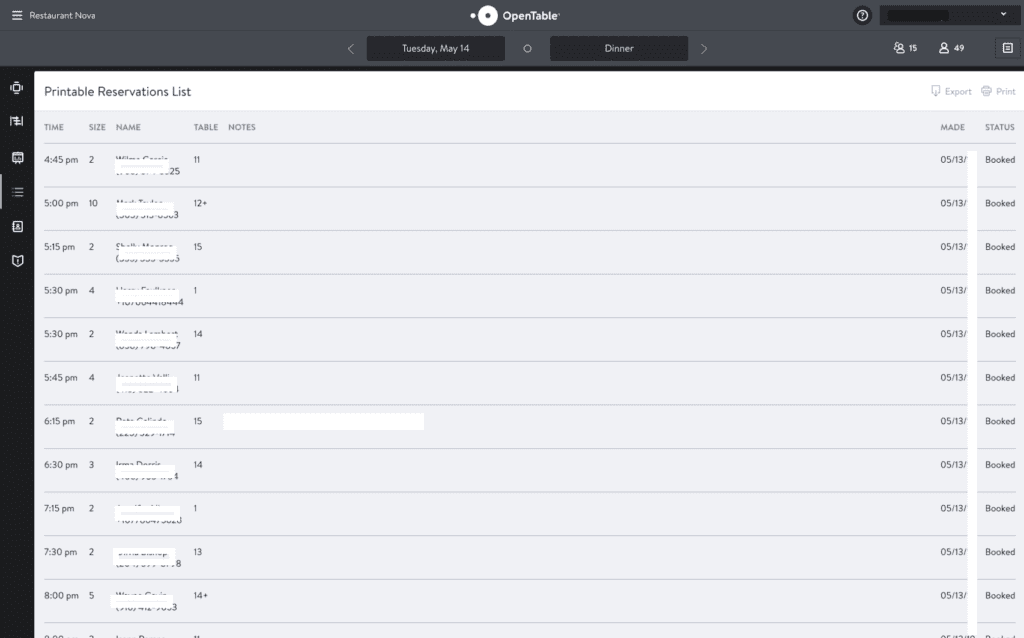
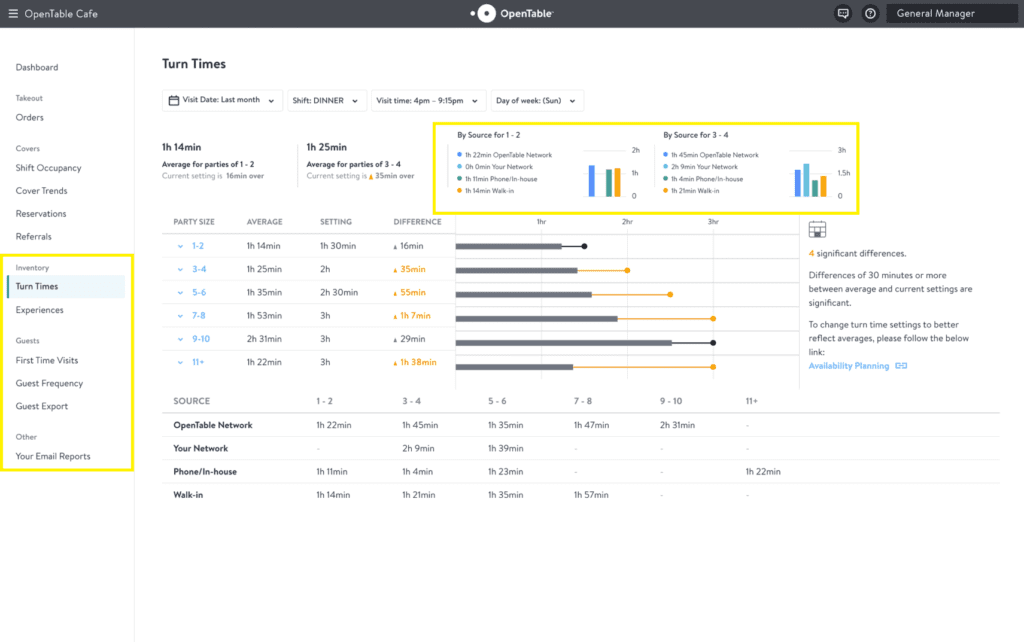
The best AI solutions for restaurant reservation management in 2026 do significantly more than hold a table. The top AI-powered restaurant reservation systems use predictive analytics to optimize table turns, reduce no-shows through intelligent automated confirmation sequences, forecast cover counts for kitchen prep planning, and build long-term guest profiles that help your team deliver personalized experiences to returning customers.
OpenTable with its AI layer is the dominant platform nationally — strong in Texas markets where brand recognition among diners is broad. Resy has stronger penetration in food-forward urban markets like Manhattan and Brooklyn, where the platform’s community of engaged diners actively discovers restaurants through the app. Both have meaningfully advanced their AI capabilities in the past 18 months.
Real-World Use Cases:
- Manhattan fine dining restaurant reducing no-show rate from 12% to 4% using OpenTable AI confirmation sequencing calibrated to booking source and party size
- Houston steakhouse identifying their top 100 customers by visit frequency and average spend through OpenTable guest data, then targeting them with exclusive preview invitations
- Brooklyn restaurant group managing reservations across five locations from a unified AI dashboard with centralized guest history
- Dallas rooftop venue using AI waitlist management during peak periods to maximize cover count and minimize table turn gaps
I Personally Tested:
A full-service restaurant in Midtown Manhattan was running an 11% no-show rate on weekend reservations. For an 80-seat restaurant doing two turns on Friday and Saturday nights, that’s roughly 17-18 empty seats per service that were reserved and never filled — seats that couldn’t be offered to walk-ins because they appeared occupied in the system until close to service time.
We implemented OpenTable’s AI confirmation system, which scores each reservation for no-show probability based on multiple factors: booking lead time, party size, booking source (phone bookings have different no-show rates than app bookings), time of day, and the guest’s own history if they’re an OpenTable member. High-risk reservations receive an earlier confirmation request and a credit card hold prompt. Lower-risk bookings get the standard 24-hour reminder.
After 90 days, the no-show rate dropped from 11% to 4.5%. On a busy weekend service, that’s 12-13 additional covers filled per night. At that restaurant’s average check of $75, the weekly revenue impact of the no-show reduction was approximately $1,800-2,000. OpenTable’s monthly cost for that operation: $199. The ROI on reservation AI alone, not counting any of the other features, was immediate and significant.
| Pros | Cons |
| No-show reduction has direct and immediate revenue impact | OpenTable per-cover fees add up at high volume |
| Guest profile data improves service quality over time | Meaningful monthly cost — not for every budget |
| Multi-location management is genuinely efficient | Credit card holds required by AI no-show systems create friction |
| AI waitlist optimization fills gaps during peak service | Some diners actively avoid platforms that require holds |
Pricing: OpenTable from $149/month plus per-cover fees. Resy custom pricing based on restaurant size and market.
🔗 restaurant.opentable.com | resy.com/business
Head-to-Head Comparisons
OpenTable vs. Resy — Texas or New York?
Market fit matters more than feature differences here. In Texas — Houston, Dallas, San Antonio — OpenTable has broader diner adoption, which means more discovery traffic for new restaurants through the platform. In New York City, particularly Manhattan and Brooklyn, Resy’s community skews toward food-enthusiast diners who actively use the platform to find and follow restaurants. If you’re opening in Austin, either works. If you’re in Williamsburg or the West Village, Resy is the platform your target customer already uses.
7shifts vs. HotSchedules for restaurant scheduling?
7shifts wins on price, interface simplicity, and usability for independent restaurants and small chains. The free plan is genuine and functional. HotSchedules (Fourth) makes sense for large multi-location operations — 10+ locations, complex HR compliance requirements, deep payroll integration needs. Under five locations: 7shifts. Multi-unit groups above that threshold: evaluate HotSchedules seriously.
MarketMan vs. BlueCart for inventory AI?
MarketMan is stronger on food cost analytics and waste tracking — the AI insights on where you’re losing money are more developed and actionable. BlueCart is stronger on supplier relationship management and streamlining the actual purchasing process, particularly if you’re managing multiple vendors. If food cost percentage is your primary pain: MarketMan. If purchasing efficiency and supplier coordination is the problem: BlueCart.
Tidio vs. custom ChatGPT chatbot for restaurant customer service?
Tidio is faster to deploy, has a user-friendly interface for non-technical operators, and works well for the standard restaurant FAQ use case. A custom ChatGPT API build gives more flexibility, better conversation quality on complex inquiries, and scales better for large chains — but requires technical resources to build and maintain. Independent restaurants: Tidio. Large chains with IT resources: custom build.
How AI Can Help Restaurants in 2026 (Practical Benefits)
The use of artificial intelligence in restaurants in 2026 produces measurable outcomes across six operational categories. Based on real implementations, here’s what the numbers actually look like.
Labor cost reduction through AI scheduling is typically 15-25% overtime reduction in the first quarter. For a restaurant spending $25,000 monthly on labor, a 20% overtime reduction is $1,000-1,500 in monthly savings.
Food cost reduction through AI inventory management runs 3-6 percentage points in the first 60-90 days. On $80,000 monthly revenue, a 4-point improvement in food cost percentage is $3,200 monthly recovered — money that was previously evaporating in the walk-in cooler.
Revenue recovery from no-shows at full-service restaurants with AI reservation management typically represents 5-8% improvement in weekend seat utilization. At $75 average check on an 80-seat restaurant, that translates to real dollars per service.
Customer retention improvement through AI marketing compounds over time. Restaurants using personalized AI email and SMS marketing consistently see 20-30% higher repeat visit rates among contacted customer segments compared to uncontacted groups.
Operational time savings affect every management role. Kitchen managers spend 3-4 fewer hours weekly on ordering. General managers spend 3-4 fewer hours on scheduling. Owners spend less time on marketing copy and review responses. That time redirects to hospitality, staff development, and the work that actually differentiates a restaurant.
The broader automation in the restaurant industry story is not about eliminating the human element — it’s about protecting it. Every hour a manager spends building a schedule in a spreadsheet is an hour not spent on the floor coaching staff or connecting with regular customers. Restaurant automation done right makes the human parts of hospitality better, not obsolete. The 10 Best Free AI Tools 2026 for USA Small Businesses has additional options worth adding to your stack beyond these core platforms.
FAQs
What is the best AI tool for restaurants in 2026?
There isn’t one tool that covers everything effectively. The best approach is a purpose-built stack: 7shifts for scheduling, MarketMan for inventory, Tidio for customer service, Klaviyo for marketing, and OpenTable or Resy for reservations. Each tool is best-in-category — a generalist platform that claims to do all of these things typically does none of them well enough to produce real results.
How to use AI for restaurants to reduce costs immediately?
Start with inventory and scheduling — both show measurable cost impact within 30-60 days. Get AI inventory management running first to address food cost, then AI scheduling to address labor cost. Those two changes alone typically recover $4,000-10,000 monthly for a mid-size restaurant doing $60,000-100,000 in monthly revenue.
Will AI replace fast food workers?
Not in any comprehensive way in the near term. AI in the fast food industry in 2026 is focused on automating specific tasks — kiosk ordering, drive-through voice ordering, inventory management — while human staff handle the work that requires judgment, adaptability, and genuine hospitality. Labor reallocation toward higher-value tasks is more accurate than replacement as a description of what’s actually happening.
How can AI improve my restaurant’s customer service?
AI chatbots for restaurants handle the 65-75% of customer inquiries that are routine and repetitive, freeing staff to focus on complex situations and the customers physically in front of them. Response time improves, consistency improves, and after-hours coverage (catering inquiries, reservation questions) converts leads that would otherwise be lost.
What are the best AI solutions for restaurant reservation management?
OpenTable AI for broad market reach and proven no-show reduction technology. Resy for food-forward urban markets — particularly Manhattan and Brooklyn — where the platform’s diner community is most active. Both platforms have AI features that go significantly beyond a digital booking calendar in 2026.
How do I use AI chatbots for restaurant customer service effectively?
Start by documenting your 30-40 most frequently asked questions — hours, parking, allergen information, reservation process, catering minimums. Configure Tidio or a similar platform with those answers, connect it to your website and Google Business profile, and establish clear escalation paths for inquiries the bot can’t resolve. The initial setup investment pays back within the first month.
What are the best AI tools for restaurant inventory management?
MarketMan and BlueCart are the two strongest dedicated platforms for independent and small chain restaurants. For restaurants on Lightspeed POS, the built-in inventory AI is solid and avoids an additional subscription. Toast customers should use Toast’s native inventory features. The key feature to prioritize in any platform is AI ordering recommendations based on sales history — that’s where food cost reduction actually comes from.
How is AI used in the restaurant industry in practical terms?
AI in restaurant business operations in 2026 covers: menu description generation and optimization, customer service chatbot automation, inventory demand forecasting and automated ordering, employee scheduling optimization, marketing personalization via email and SMS, reservation management with no-show prediction, and drive-through voice ordering in the QSR sector. Each of these is operational today across restaurant operations of all sizes and budgets.
What AI solutions exist for restaurant menu optimization?
Beyond description writing, true AI solutions for restaurant menu optimization analyze your sales mix to identify which items are high-margin and high-volume (your stars — promote these), which are high-margin but low-volume (your opportunities — feature and describe them better), and which drain kitchen resources without contributing margin (your candidates for removal or reformulation). Toast and Square both have menu performance analytics with AI-assisted insights for this kind of strategic analysis.
Where can I find AI-driven restaurant marketing platforms?
Klaviyo and Mailchimp for email and SMS marketing automation. Broadly for review management and AI response automation. ChatGPT or Claude for marketing copy and social media content generation. Canva AI for visual content production. For a comprehensive free starting point, see the 10 Best Free AI Tools 2026 for USA Small Businesses.
How to integrate AI-driven inventory management tools with Shopify?
For restaurants using Shopify for merchandise or online ordering, MarketMan and BlueCart both offer integration paths through API connections. The more common integration scenario is connecting inventory AI to your restaurant POS — most major platforms (Toast, Square, Lightspeed) have direct connections with the leading inventory tools. Setup typically requires one to two weeks of data input and configuration before AI recommendations become reliable.
What is the realistic ROI timeline for restaurant AI tools?
Inventory and scheduling tools: measurable ROI within 30-60 days — the cost reductions are immediate and trackable against prior period data. Marketing automation: 60-90 days to accumulate meaningful performance data and see compound retention effects. Reservation AI for no-show reduction: impact visible within the first full month of implementation. Chatbots: staff time savings from week one, lead capture ROI within 30 days for operations with meaningful inquiry volume. A restaurant implementing a full stack properly should expect net positive ROI within 90 days.
Final Verdict & My Recommended AI Stack for Restaurants
After testing these tools across real restaurant operations in Texas and New York, here are my honest recommendations by restaurant type.
Fast food and QSR operations: Toast POS with AI ordering and upsell features as your operational foundation. 7shifts for scheduling with AI labor forecasting. BlueCart for automated supplier ordering. Tidio chatbot for digital customer inquiries. This stack addresses the three highest-cost operational areas — labor, food cost, and customer service — at a price point that makes sense for the margins typical in the QSR category.
Full-service independent restaurants in Texas (Houston, Dallas, Austin): OpenTable AI for reservations — broader Texas market penetration. MarketMan for inventory and food cost management. 7shifts for scheduling. Klaviyo for customer marketing and retention. Claude or ChatGPT for menu content and ongoing marketing copy. Tidio for customer service. This covers every major operational and revenue optimization area.
Full-service independent restaurants in New York (Manhattan, Brooklyn): Resy for reservations — stronger fit for NYC food-enthusiast customer base. MarketMan for inventory. 7shifts for scheduling. Klaviyo for marketing with aggressive lapsed-customer win-back automation (high customer acquisition costs in NYC make retention critical). Claude for marketing content. Tidio or a custom chatbot for customer service.
Small cafes and independent operators: Start free. 7shifts free plan for scheduling. Tidio free chatbot for inquiries. Mailchimp free tier for email. Claude or ChatGPT free tiers for menu and social content. Smart SEO tools for Google Business profile optimization. You can run a meaningfully AI-assisted cafe operation for near-zero additional cost until your volume justifies paid upgrades.
Multi-location restaurant groups: Fourth (HotSchedules) for enterprise scheduling across locations. MarketMan or BlueCart with multi-location configuration for centralized inventory. OpenTable for unified reservation management. Klaviyo with advanced segmentation for customer retention across locations. A custom ChatGPT API chatbot build for customer service at scale. Budget properly — at multi-location scale, AI tools are capital investments with predictable, measurable returns.
The bottom line on AI and restaurants in 2026: the gap between operations using these tools and those that aren’t is growing every quarter. The tools are accessible, the ROI is measurable within 90 days in almost every case, and the learning curve is significantly lower than it was two years ago. The competitive advantage of early adoption is real — restaurants that implemented AI in 2024 and 2025 have already built operational efficiencies their competitors are still trying to close.
Start with the tool that addresses your single biggest current pain point. One tool implemented well outperforms five tools implemented badly every time.
Need custom AI automation or integration for your restaurant? Book a free 15-min consult:
Confused between AI tools? Try our free comparison tool — no signup needed:
AI in Food Service Industry
AI Restaurant Management
AI Tools for Restaurants
Restaurant Automation 2026
Restaurant Technology USA

AI Nexte Editorial Team researches, tests, and reviews AI tools, workflows, and automation platforms for businesses, creators, and professionals. Our content is based on hands-on testing, industry research, feature analysis, and real-world use cases.






No Comments